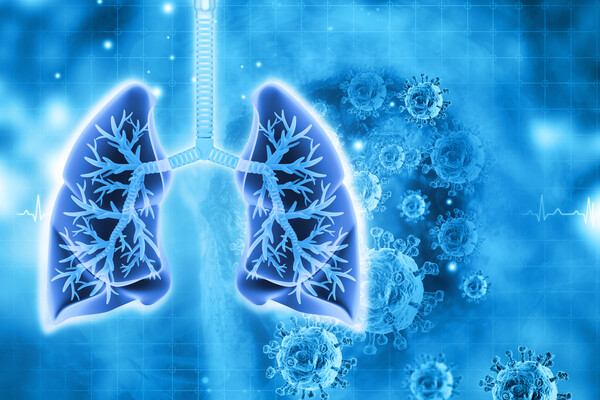
Respiratory diseases like influenza and COVID-19 drive inflammatory responses that can cause long-term damage to the lungs and can be difficult to treat. Now, by using techniques that deliver mRNA via lipid nanoparticles, researchers led by Andrew Vaughan of the School of Veterinary Medicine were able to greatly enhance modes of repair for damaged blood vessels in the lung, leading to improved oxygen saturation.
(Image: iStock/Mohammed Haneefa Nizamudeen)
Researchers breathe new life into lung repair
A collaborative effort from teams across Penn culminates in new techniques to repair lung tissue after damage from flu and COVID-19.
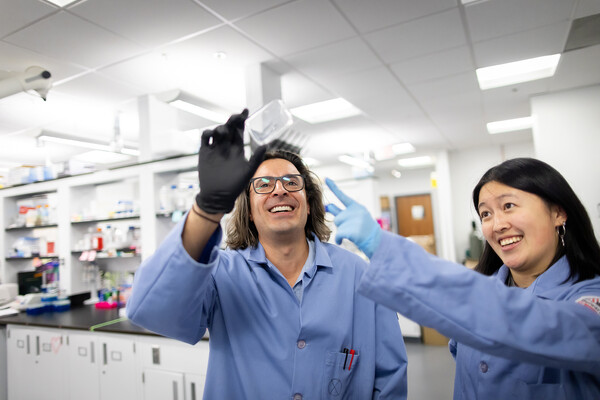
Michael Mitchell (left) and Emily Han (right) examine a microfluidic device used to make LNPs by mixing lipids and mRNA.
nocred
Breaching the blood-brain barrier
A team of researchers in the School of Engineering and Applied Sciences has devised a method to deliver mRNA into the brain using lipid nanoparticles, potentially advancing treatments for Alzheimer’s disease and seizures.
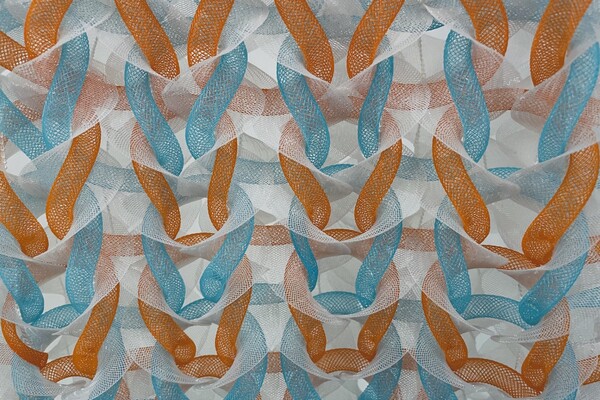
Randall Kamien of the School of Arts & Sciences and long-time collaborator Geneviève Dion, a professor of design at Drexel University, are investigating the mechanics of knitting, an area of research that represents a significant shift in understanding and using fabrics.
(Image: Courtesy of Geneviève Dion)
Mechanics of knitting
Randall Kamien of the School of Arts & Sciences and Geneviève Dion of Drexel University share how combining traditional origami techniques with modern textile science can lead to practical applications in various industries.
How common is common sense? A straightforward question that, surprisingly, has yet to receive a definitive science-based answer. Now, PIK Professor Duncan Watts and co-author Mark Whiting of the Wharton School and the School of Engineering and Applied Science present a new way to quantify common sense among both individuals and collectives.
(Image: Courtesy of Mark Whiting)
How common is common sense?
Researchers from Penn develop a framework for quantifying common sense, findings address a critical gap in how knowledge is understood.
A collaborative team of researchers led by Michael Mann of the School of Arts & Sciences have found the interplay of natural systems and human-induced climate change are setting the stage for more frequent and severe weather events.
(Image/iStock / Piyaset)
Climate change and atmospheric dynamics unveil future weather extremes
A collaborative team of researchers led by Michael Mann of the School of Arts & Sciences have found the interplay of natural systems and human-induced climate change are setting the stage for more frequent and severe weather events.
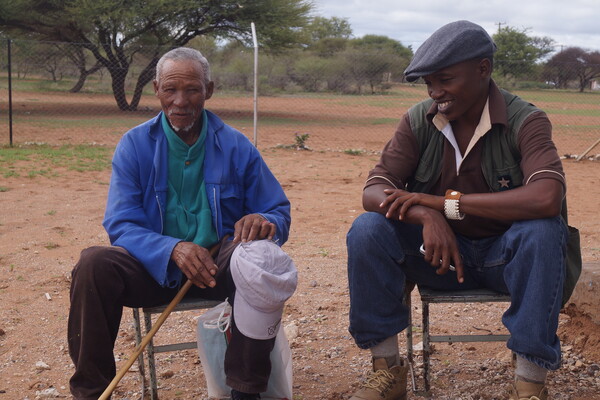
PIK Professor Sarah Tishkoff led a collaborative team of researchers who have discovered key insights into the molecular basis of skin color differences among Africans. “There’s so much genetic diversity in African populations, but they’ve also been historically underrepresented in studies,” Tishkoff says. “Our findings offer more information on these populations and paint a clearer picture of human evolution.”
(Image: Courtesy of Sarah Tishkoff and Alessia Ranciaro)
More than skin deep: A molecular and mechanistic look at pigmentation variation
A new collaborative study offers a better understanding of genes and variants responsible for skin color, providing insights into human evolution and local adaptation.
An image of NGC 1365 collected by the Dark Energy Survey. Also known as the Great Barred Spiral Galaxy, NGC 1365 is an example of a spiral galaxy and is located about 56 million light-years away. (Image: DECam, DES Collaboration)
nocred
Dark Energy Survey uncovers clues to universe’s complexity
The decade-long effort reveals findings consistent with standard cosmological models, but open to more complex interpretations.
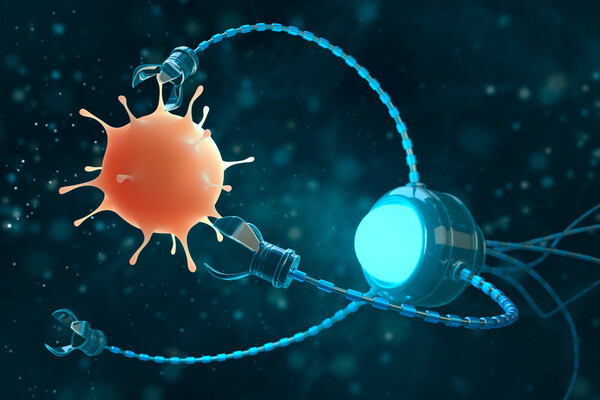
In a Q&A with Penn Today, Hyun (Michel) Koo of the School of Dental Medicine and Edward Steager of the School of Engineering and Applied Science discuss the emerging trend of microrobots in healthcare.
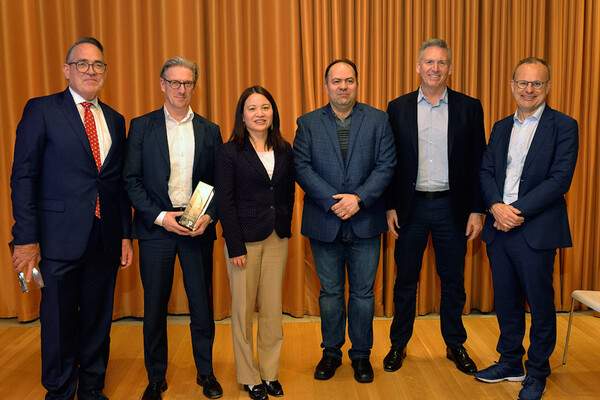
During its recent eighth annual Celebration of Innovation, the Penn Center for Innovation (PCI) reported on a successful fiscal year 2023. From left: Sean McCooe, Holger Kissel, Shu Yang, Firooz Alfatouni, Steve Kelly, and Sean Marett.
(Image: Courtesy of Felice Macera)
Celebrating innovation and impact
Now in its tenth year of operation, the Penn Center for Innovation marked innovation achievements from fiscal year 2023 with highlights and awards.