The new Institute for Infectious and Zoonotic Diseases, launched by the School of Veterinary Medicine, leans on Penn’s strengths in immunology and infectious disease to prepare for emerging threats to animal and human health.
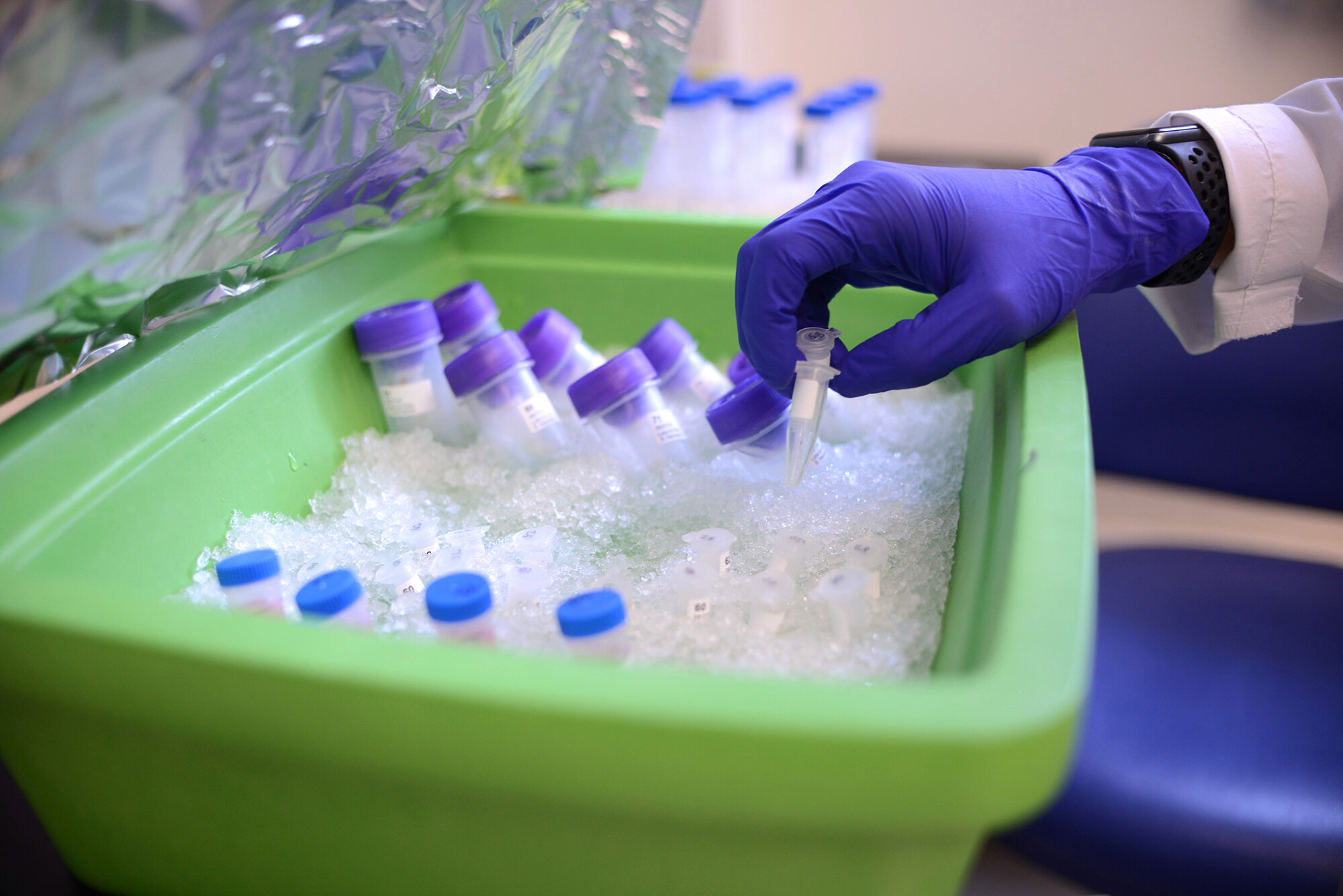
Researcher Christopher Pastore processes samples In De’Broski Herbert’s lab in the School of Veterinary Medicine. Herbert’s lab studies the immunology of infection with helminths, parasitic worms that are responsible for a variety of zoonotic diseases. The new Institute will capitalize on these strengths and others at Penn Vet and around the University. (Image: John Donges/Penn Vet)
More than three-quarters of emerging infectious diseases that affect humans come from animals. Numerous scientists are confident that SARS-CoV-2 is among them, likely originating in bats. For many adults alive today, COVID-19 is not the first brush with a dangerous zoonotic disease, one that can move from animals into people. Just in the last two decades, outbreaks of Ebola, Zika, swine flu, avian flu, West Nile virus—and others—have occurred around the world, while other established infections, such as malaria and dengue, continue be a global concern.
While COVID-19 understandably continues to command much of the world’s attention, scientists, veterinarians, physicians, and others are working to prepare for future threats. Penn’s School of Veterinary Medicine is launching the Institute for Infectious and Zoonotic Diseases to address precisely these types of animal- and human-health challenges by bringing together world-class expertise in infectious diseases, immunology, agriculture, and molecular diagnostics.
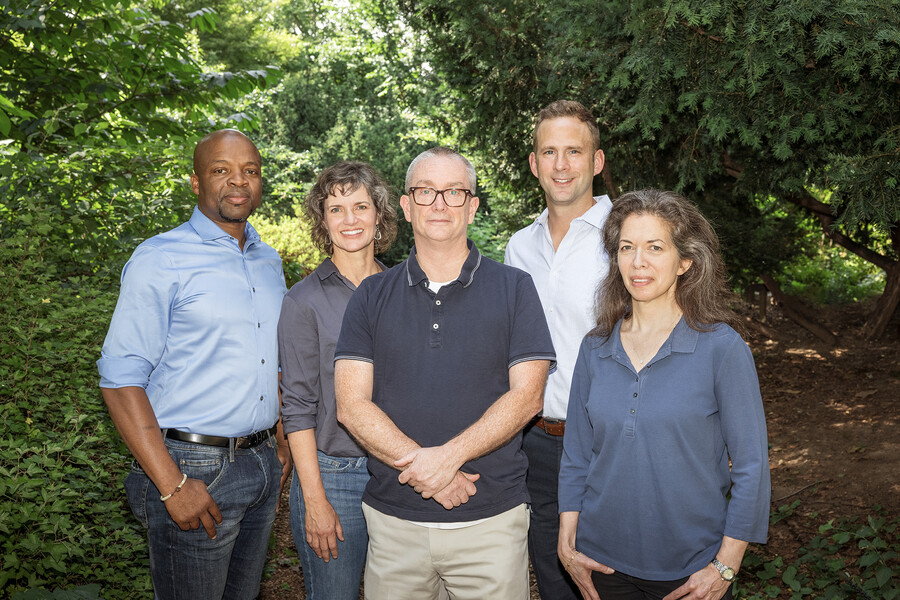
The new Institute for Infectious and Zoonotic Diseases will be led by director Christopher Hunter (center) and associate directors (from left) De’Broski Herbert, Julie Ellis, Dan Beiting, and Lisa Murphy. (Image: Lisa Godfrey)
“We live in an infectious world,” says Christopher Hunter, the Mindy Halikman Heyer Distinguished Professor of Pathobiology at Penn Vet, who is serving as director of the Institute. “There are many emerging infectious diseases that are viewed as profoundly significant to public health, and the majority of these are zoonotic.”
By fostering strong partnerships within Penn and beyond—most notably with the Pennsylvania Department of Agriculture and the Pennsylvania Game Commission, as well as other government bodies, foundations, and industry collaborators—the Institute aims to build expertise, enhance scientific understanding, leverage innovative technological approaches, and support the infrastructure needed to confront the next zoonotic disease outbreak.
“Because it’s not a matter of whether there will be another outbreak of one of these diseases,” Hunter says, “it’s when, where, and at what scale.”
Building on strengths
Far from starting from scratch, Penn Vet has a track record of success in research, technology-building and training when it comes to immunology and infectious diseases. “Even prior to the pandemic, there were a lot of conversations about how we had something really unique at the vet school,” says Dan Beiting, assistant professor of pathobiology. “But everyone was in their lab doing their own thing. There were no program project grants, no initiatives that linked together these different labs into something larger.”
One roadmap for determining the structure and scope of the Institute can be found within the school itself: The Center for Host-Microbial Interactions (CHMI), launched in 2013, and for which Beiting serves as technical director.
“We developed a blueprint that the Institute will be able to use,” says Beiting, one of the associate directors of the new Institute. “The goal of CHMI was always to lower the barrier for labs to access genomic technologies. Now we are going to bring that to bear on questions related to infectious diseases.”
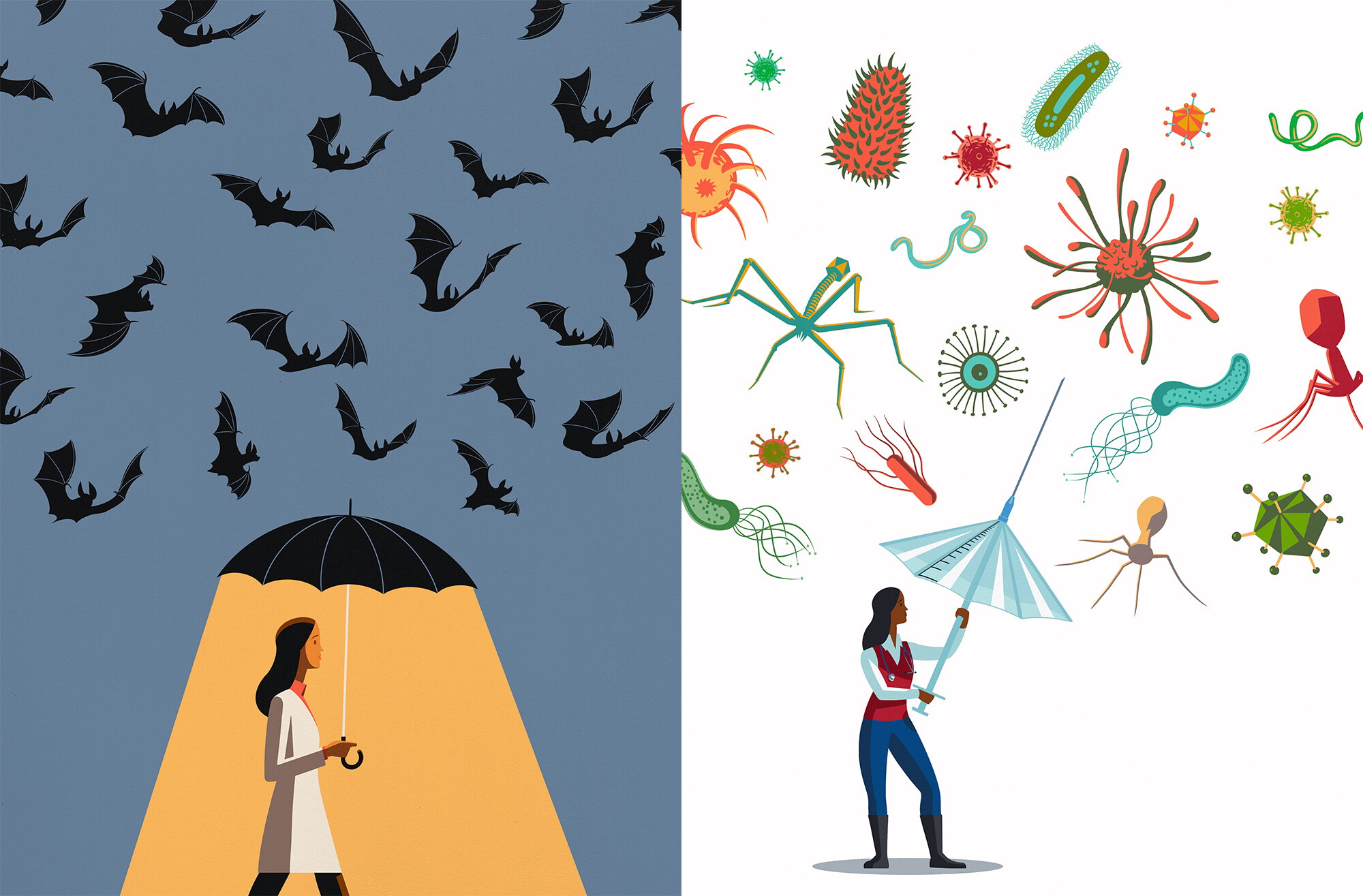
The Institute is emerging at a time when the COVID-19 pandemic has underscored the threat of zoonotic disease—and the power of basic and translational research. In one vein of study, mRNA-based vaccines, akin to the ones developed to block the SARS-CoV-2 virus, are being explored to prevent illnesses in livestock. (Illustrations: Jon Krause)
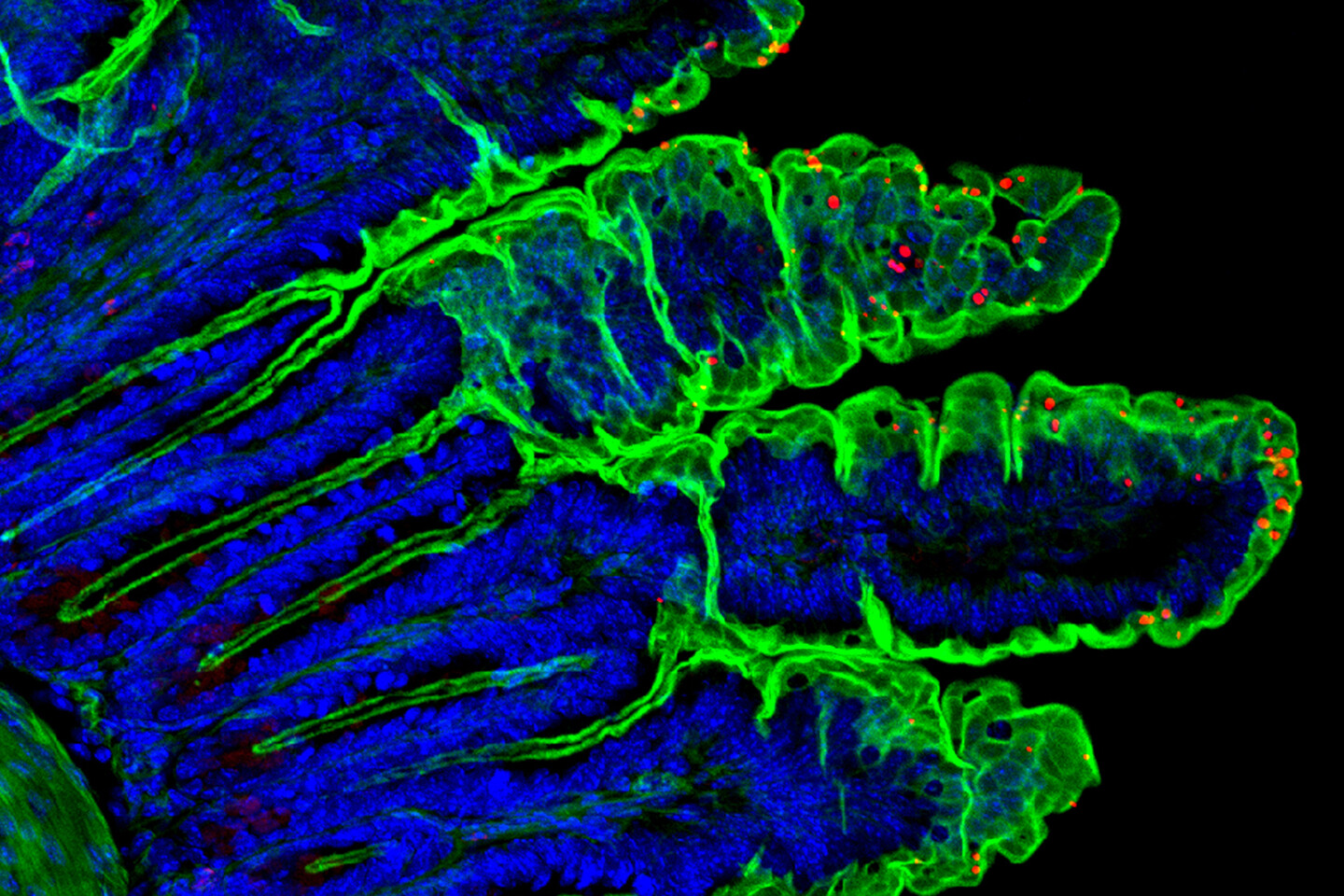
Expertise on the microbiome will also factor into the Institute’s work on infectious diseases. “The microbiome can profoundly influence susceptibility to infection, while also contributing to inflammation and pathology in the gut and on the skin,” Beiting says. “We have a real track record and a research community prepared to really dig into how the microbiome influences the outcome of infection.”
Beiting sees great possibility in increasing the use of single-cell genomics to study disease. “Immune responses and host-microbe interactions can now be studied not at the tissue or organ level, but at the cellular level for unprecedented resolution,” he says.
And the tools that he and others at the vet and medical schools have been using to study microbiome communities—including shotgun metagenomics, which can capture genomic sequences of all microbes in one sample—could find powerful application in diagnostics. “Potential culprits, such as viruses, bacteria, fungi, and parasites can be identified without prior knowledge of what’s in a bit of stool, or a blood or tissue sample,” Beiting says.
Pursuing new questions
Such new opportunities in diagnostics as well as surveillance play to existing strengths at Penn Vet. At New Bolton Center in Kennett Square for example, home to part of the Pennsylvania Animal Diagnostic Laboratory System (PADLS) and a base for disease surveillance for the state’s livestock producers, the Institute will channel new support and energy aimed at bolstering these capabilities, while fostering new connections between diagnosticians and basic science researchers.
“With the Institute we can bring the best of both worlds, both animal-focused research and human-focused research, together and cross-pollinate and collaborate,” says Lisa Murphy, resident director of PADLS New Bolton Center, co-director of the Wildlife Futures Program, associate professor of toxicology, and an associate director of the Institute. “Because we already know that there is a lot of overlap between the diseases that affect humans and those that affect animals.”
On a similar collaborative note, Murphy sees potential for sharing best practices.
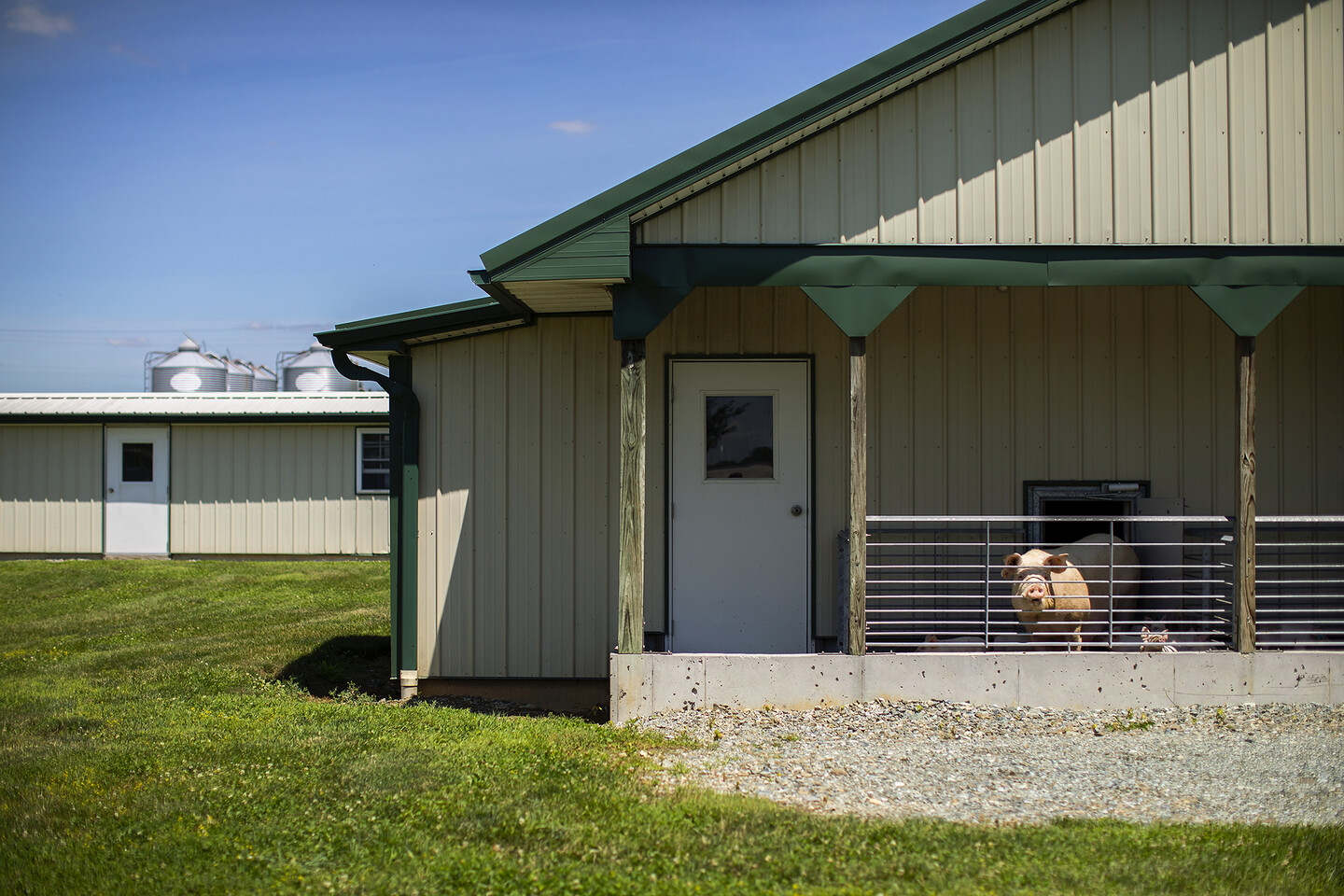
At Penn Vet’s New Bolton Center, the Institute will augment the School’s robust diagnostics and disease surveillance efforts, providing further support to area livestock producers. (Image: Eric Sucar)
“At PADLS New Bolton Center what we have is situational awareness: We know what’s happening close by and regionally,” says Murphy. “I’m excited to find out, are there things happening in Pennsylvania that we can apply regionally and nationally and globally? And the reverse: What can we learn from what’s happening in terms of infectious disease, that human-animal interface, internationally?”
With a background in toxicology, Murphy is particularly interested in new investigations that consider how toxins in the environment may play a role in zoonotic infections. “Some toxicants can have more subtle, delayed, or chronic effects, such as on the immune system.” she says. “I’d like to see if we can start to tie together some of these factors and how they influence infectious disease susceptibility.”
With the Institute we can bring the best of both worlds, both animal-focused research and human-focused research, together and cross-pollinate and collaborate.
Lisa Murphy, associate professor of toxicology and an associate director of the Institute for Infectious and Zoonotic Diseases
She also expects to see diagnostic and disease surveillance approaches and technologies advance apace, with faster and more accessible techniques. As an example, Penn Vet scientists are working on a portable PCR machine to provide genomic capabilities in real-time, even in a field setting.
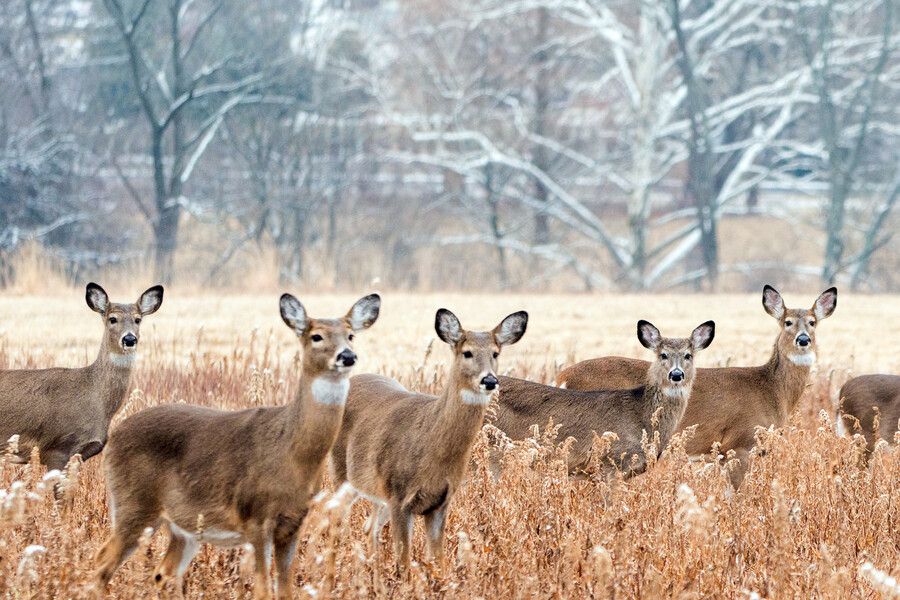
More examples of this kind of out-of-the-box thinking are already playing out at Penn, for example in tackling one of the state’s major challenges: chronic wasting disease (CWD), a prion-based, fatal illness that affects deer, threatening the economically and culturally important hunting industry.
In one project, the Penn Vet Working Dog Center’s Cynthia Otto and colleagues are training scent-detecting canines to be able to sniff out CWD-positive deer, a feat that could help with containment. And in another lab-based effort, Penn Vet biochemist Anna Kashina is receiving support to look for novel biomarkers of CWD.
“The goal is intervention, whether we’re looking at an infectious disease or a contaminant or how they interact,” says Murphy. “If we can identify some of these issues, it gives us a chance to intervene.”
The wildlife factor
Whether the infection is CWD or COVID-19, one can’t study zoonotic diseases without factoring in the role of wildlife. While most people associate the Northeastern U.S. with a high population of humans rather than wild animals, the close proximity of metropolitan areas, agriculture landscapes, international ports, as well as natural lands can make the region a hotspot of zoonotic disease.
Through the Wildlife Futures Program, a partnership between Penn Vet and the Pennsylvania Game Commission, new and ongoing projects are delving into aspects of diseases that affect wild animals—and may in some cases spill over to impact domestic animals and people as well.
“The Northeast is kind of an unusual place,” says Julie Ellis, adjunct associate professor of pathobiology, senior research investigator, and another associate director of the Institute who also co-directs the Wildlife Futures Program. “It’s the smallest region in the country yet has the highest human population density, and each state has its own border and regulations. There’s a lot of need for us to work together as a region, because wildlife don’t see those boundaries.”
As a partner and participant in the Institute, Wildlife Futures—itself a partnership between the vet school and the Pennsylvania Game Commission—presents rich opportunities to grow the scientific understanding of wildlife disease, leaning on both Penn’s depth in science and the expertise of Game Commission scientists in the ecology and biology of the state’s hundreds of wildlife species.
“As an example, right now we’re working with them to develop a new research program on SARS-CoV-2 in white-tailed deer,” Ellis says. “It’s an important topic and we’re going to be able to jump on that as a zoonotic disease issue.”
In another potentially fruitful project just getting off the ground, pulmonologist Nilam Mangalmurti of Penn’s Perelman School of Medicine is conducting basic research into how red blood cells from bats respond to infection. Scientists from Wildlife Futures and biologists from the Game Commission are helping supply the bat blood samples.
“The Institute is helping us put together these kinds of cross-school collaborations and promote the type of interdisciplinary work that’s necessary to address challenging disease issues,” says Ellis.
Local solutions, global capacity
Recognizing that infectious diseases are a global issue requiring creative and far-ranging collaborations, the Institute is supporting training and outreach efforts that extend from Philadelphia to Africa and South America to build capacity and expertise in immunology and infectious disease research for the next generation of scientists and veterinarians.
Penn has long had strengths in addressing deadly threats such as Ebola, a zoonotic disease. By forging new collaborations and fostering interdisciplinary work, the Institute will ensure researchers are poised to respond nimbly to emerging diseases in the years to come. (Image: Gordon Ruthel/Penn Vet)
De’Broski R. Herbert, Presidential Associate Professor in the Department of Pathobiology and another of the Institute’s associate directors, is heading up international affairs and outreach.
“Out of my office, we’re going to be developing innovative ways of facilitating education and training opportunities focused on combating disease, all using a One Health-based approach,” Herbert says.
The outreach efforts will take both a local and global lens to training. In one initiative, Herbert and colleagues Brittany Watson and Molly Church are planning to provide scientific curriculum content for Pennsylvania high schools, such as videos that rely on the expertise of Penn faculty in infectious disease, to teach students about infection and the connection between human and animal health.
Internationally, Herbert has already begun establishing connections in Africa and South America to share the work that Penn Vet faculty such as Jenni Punt and Amy Durham have done to incorporate One Health concepts into its curriculum. In addition, a new mentorship program will pair mentors at Penn with students at veterinary schools in Cameroon, Ghana, and Nigeria, with the long-term goal of fostering relationships where Penn Vet can contribute to formalized training in the U.S.
RELATED
“The mentees being suggested to me are the best and brightest, the most highly motivated,” Herbert says. “It’s not just an altruistic effort either—it’s self-serving in the sense that we get to learn from them and benefit from their expertise down the line.”
Herbert’s future outreach plans include partnerships with Historically Black Colleges and Universities (HBCUs) to increase diversity in the veterinary profession and engagement with both undergraduate and high school students in the Philadelphia region to introduce them to the diverse work that veterinarians and veterinary scientists do to prevent and control disease.
“What local to global means to me is exposing a wide array of students to the opportunities that exist that they may not otherwise know about,” Herbert says.
Results that make a difference
As the Institute gets off the ground and gains momentum, new funding will provide seed grants for infectious disease researchers, support graduate education, and enable additional trainees into labs to work on zoonotic disease.
Critically, a foremost goal of the Institute is to provide services and research that isn’t stuck in the ivory tower but provides a service—to Pennsylvania, to farmers, to clinicians, to fellow scientists, and to the public at large.
“Our goal is to expand research of global and local infectious diseases,” Hunter says. “We want to make it as easy as possible for our faculty to work on these pathogens, and we want to provide tangible benefits to stakeholders.”
Already Hunter and Beiting are collaborating with the School of Medicine’s Drew Weissman, whose work on mRNA led to the platform for the Pfizer/BioNTech and Moderna COVID-19 vaccines, to apply a similar technology toward vaccines for porcine infections.
“We recognize that COVID has taught us a lot of things,” Hunter says. “And one of those is that these large, collaborative projects are how we can solve lots of our problems as a society.”
Watch a video introducing the Institute for Infectious and Zoonotic Diseases.
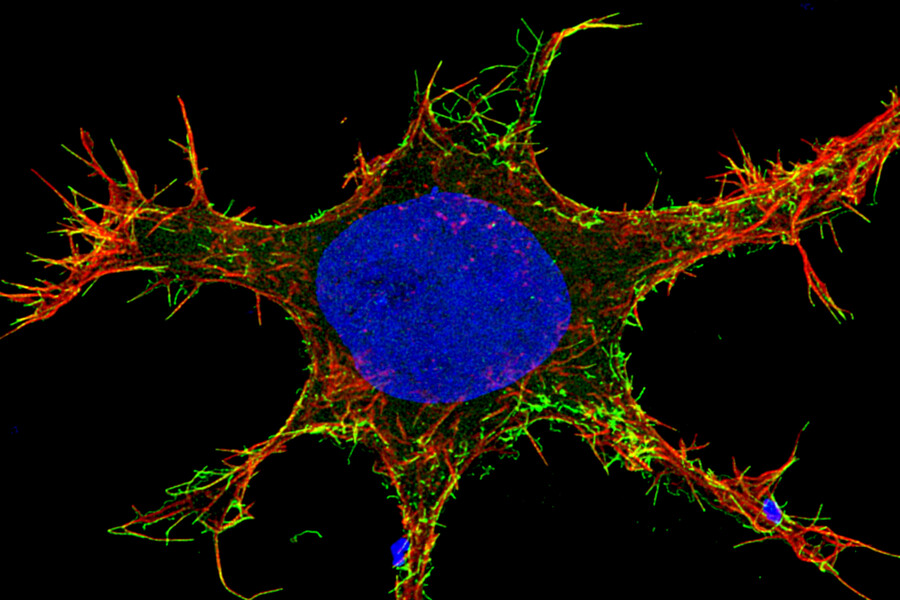
A Penn Vet-led team was the first to sequence, study, and manipulate a naturally occurring mouse Cryptosporidium, a parasite responsible for life-threatening illness in people, as well as livestock, pets, and wildlife worldwide. (Image: Muthugapatti Kandasamy, Adam Sateriale, and Boris Striepen)
On the move: Water quality and antimicrobial resistance testing goes mobile
Penn researchers have developed a mobile field laboratory allowing them to test water quality and track antimicrobial resistance in and around San Cristóbal in the Galápagos.
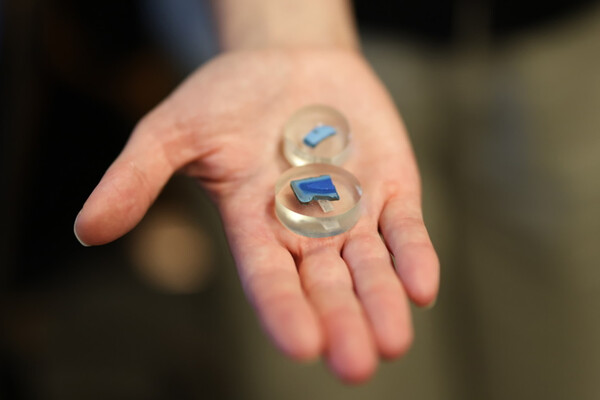
Penn researchers Vanessa and Alexis North are studying one of the largest collections of Egyptian blue objects ever found in the ancient Near East, shedding new light on how the world’s first synthetic pigment may have traveled far beyond Egypt.
A new role for dental providers? Rethinking where vaccines are given
Vaccinations have traditionally been administered in primary care settings or pharmacies. However, for about a decade, some states have authorized dentists to administer vaccines, and many others did so during the COVID-19 pandemic. The effectiveness of this approach has led some countries and states to expand or consider expanding the role of dental providers in delivering routine vaccines, including those against COVID-19 and the human papillomavirus (HPV), and in providing vaccine education.
Penn student develops a way for computer chips to run more efficiently
Fluid Silicon, a platform from President’s Sustainability Prize winner Nhlanhla Mavuso, allows computer chips to continuously monitor their health and self-tune as their characteristics change. The technology has the potential to reduce energy usage in data centers and improve reliability in mission-critical applications.