Who, What, Why: Alicia Meyer on the wonders of the Kislak Center
As curator of research services, Meyer wants students from every discipline to visit the Kislak Center and to find new insights from old materials.
2 min. read
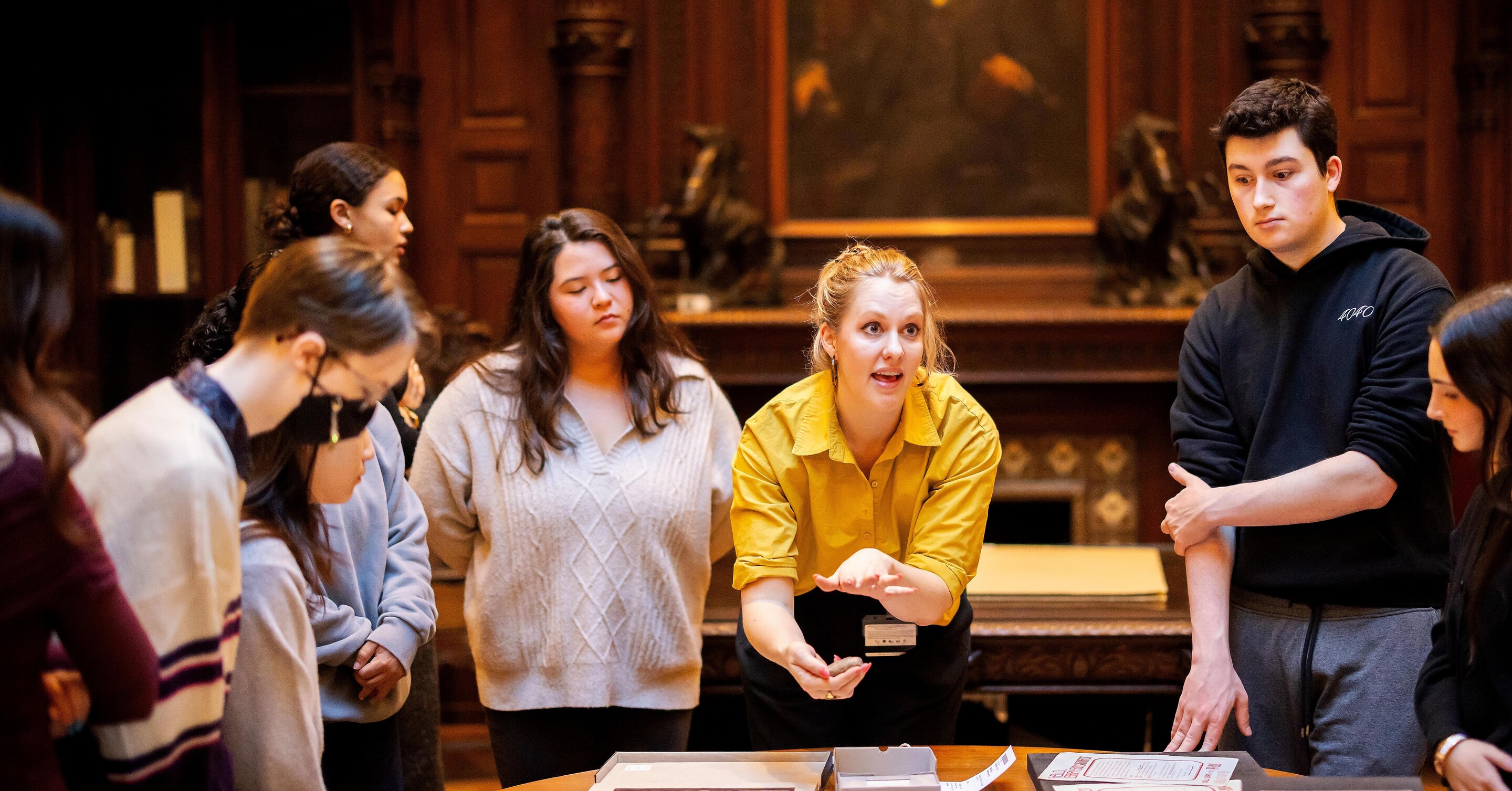
In February 2025, Alicia Meyer showed students in Elly Truitt’s Technology & Society course a rare 19th-century book of hours woven from silk on a Jacquard loom, an Egyptian clay tablet from 400 BCE, an astronomical rotula used to predict the movement of heavenly bodies, posters from Central America made on sugarcane paper, and more.
Who
Alicia Meyer gestures at the rows of leather bound books on the sturdy shelves that line the dark paneled walls of the Lea Library in the Kislak Center for Special Collections, Rare Books and Manuscripts. “They’re my emotional support objects,” she teases during an interview with Penn Today. Carefully flipping open a 12th-century manuscript about science, Meyer points to a passage on how childbirth was censored. She notes how the varying roughness and smoothness of pages show how the book was put together. “I’m going to keep making you touch this book,” she says.
This is the enthusiasm that Meyer brings to her work and the encouragement she offers to the many students with whom she interacts as curator of research services at the Kislak Center. She has been in this role since 2023 but at Penn for longer. Meyer received her Ph.D. in English literature here, writing her dissertation on a medieval English hospital that transitioned into a prison predominantly housing poor women, including sex workers and unwed mothers.
Outside of work, she may be found visiting Clark Park, gardening, or “reading like a thousand things.” At the moment, that includes the mystery novel “Dispute Over a Very Italian Piglet,” a nonfiction book about U.S. immigration, and a biography of Dr. Seuss.
What
On a given day Meyer might be hosting students from a class and holding one-on-one meetings with students conducting independent research.
For example, she recently hosted music professor Jasmine A. Henry’s Seminar in African-American Music and showed students the Kislak Center’s most used collection: the Marian Anderson Collection, which includes sheet music, correspondence, photos, press clips, and more. While the collection has been at Penn for decades, Meyer says she always wants to “revisit what we think we know.”
She is also researching the Kislak Center’s collection on the late children’s book author and illustrator Wanda Gág, a task which sparked her goal of reading the biographies of all the major children’s authors—hence the Dr. Seuss biography. Meyer is curating an exhibition on Gág for 2028, the 100th anniversary of the author’s book “Millions of Cats.” She incorporated materials from the Gág collection for class visits led by English professor and children’s literature scholar Melissa Jensen.
Why
Growing up in Nebraska in the ’90s, Meyer loved American Girl dolls—and read all the books. “I am a Molly,” she says. She even wrote plays about her American Girl dolls.
“It’s maybe too simple of a story to say that’s why I do what I do,” says Meyer, “but I think having access to stories about girls in moments of historic importance was a really valuable thing for me.” She can see the parallels between her interest in American Girl stories and her passions for material culture, gender and sexuality studies, and the history of health and medicine.
But her current work is not a career she even knew existed when she was younger. “No one is born into this world,” she says. While once she thought this type of work was too closed-off to be accessible, she says, “now I have the opposite feeling about it, where I want everybody here, every day, all the time, using our things and learning from them.”
On the move: Water quality and antimicrobial resistance testing goes mobile
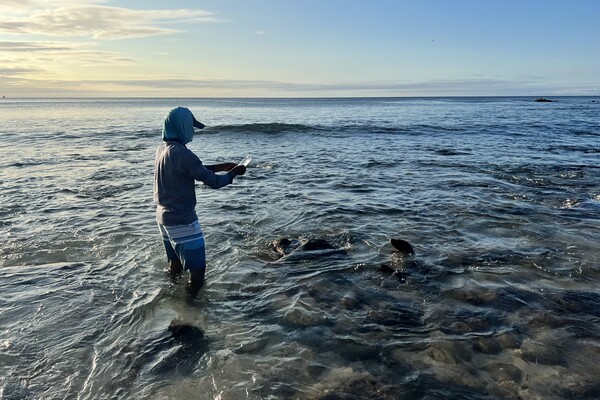
Penn researchers have developed a mobile field laboratory allowing them to test water quality and track antimicrobial resistance in and around San Cristóbal in the Galápagos.
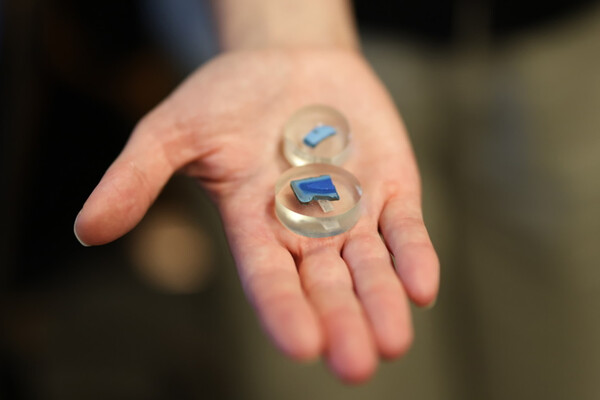
Penn researchers Vanessa and Alexis North are studying one of the largest collections of Egyptian blue objects ever found in the ancient Near East, shedding new light on how the world’s first synthetic pigment may have traveled far beyond Egypt.
A new role for dental providers? Rethinking where vaccines are given
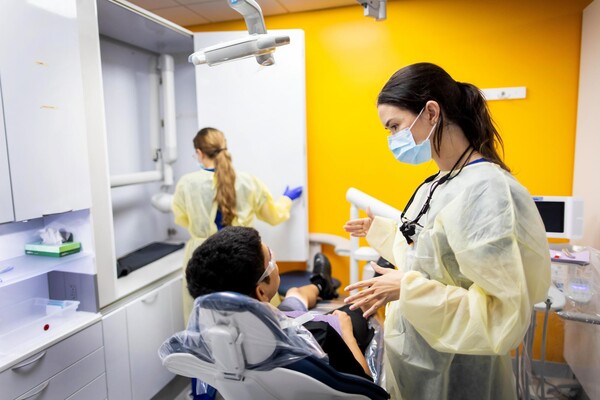
Vaccinations have traditionally been administered in primary care settings or pharmacies. However, for about a decade, some states have authorized dentists to administer vaccines, and many others did so during the COVID-19 pandemic. The effectiveness of this approach has led some countries and states to expand or consider expanding the role of dental providers in delivering routine vaccines, including those against COVID-19 and the human papillomavirus (HPV), and in providing vaccine education.
Penn student develops a way for computer chips to run more efficiently
Fluid Silicon, a platform from President’s Sustainability Prize winner Nhlanhla Mavuso, allows computer chips to continuously monitor their health and self-tune as their characteristics change. The technology has the potential to reduce energy usage in data centers and improve reliability in mission-critical applications.