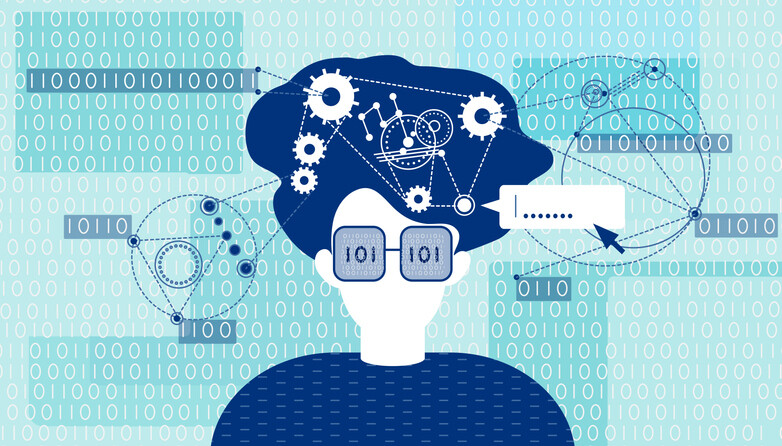
When we buy something on Amazon or watch something on Netflix, we think it’s our own choice. It turns out that algorithms influence one-third of our decisions on Amazon and more than 80 percent on Netflix. What’s more, algorithms have their own biases. They can even go rogue.
In his recent book, “A Human’s Guide to Machine Intelligence: How Algorithms Are Shaping Our Lives and How We Can Stay in Control,” Kartik Hosanagar, a professor of operations, information and decisions at Wharton, focuses on these issues and more. He discusses how algorithmic decisions can go wrong and how we can control the way technology impacts decisions that are made for us or about us.
Hosanagar notes that a solution to this complex problem is that we must “engage more actively and more deliberately and be part of the process of influencing how these technologies develop.”
On the move: Water quality and antimicrobial resistance testing goes mobile
Penn researchers have developed a mobile field laboratory allowing them to test water quality and track antimicrobial resistance in and around San Cristóbal in the Galápagos.
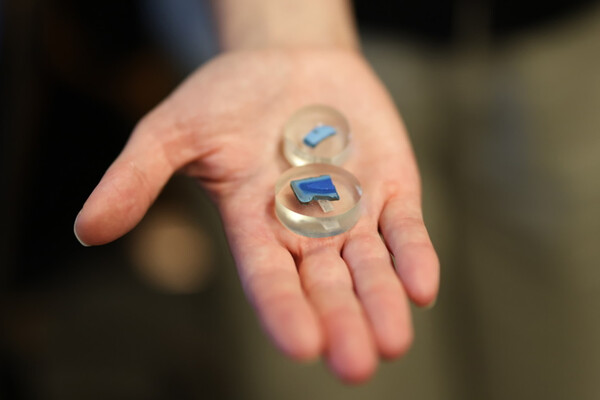
Penn researchers Vanessa and Alexis North are studying one of the largest collections of Egyptian blue objects ever found in the ancient Near East, shedding new light on how the world’s first synthetic pigment may have traveled far beyond Egypt.
A new role for dental providers? Rethinking where vaccines are given
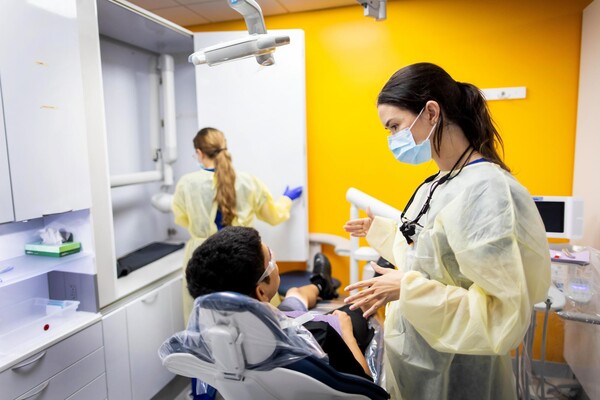
Vaccinations have traditionally been administered in primary care settings or pharmacies. However, for about a decade, some states have authorized dentists to administer vaccines, and many others did so during the COVID-19 pandemic. The effectiveness of this approach has led some countries and states to expand or consider expanding the role of dental providers in delivering routine vaccines, including those against COVID-19 and the human papillomavirus (HPV), and in providing vaccine education.
Penn student develops a way for computer chips to run more efficiently
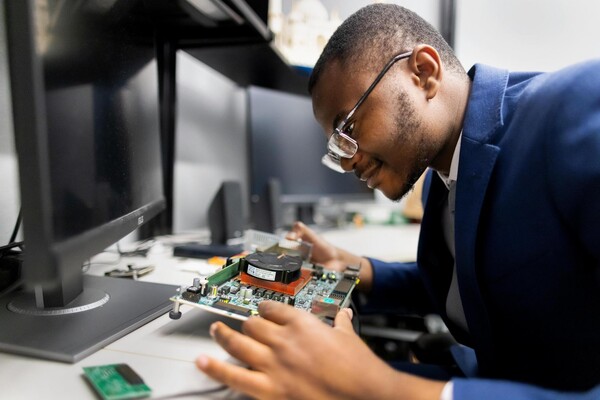
Fluid Silicon, a platform from President’s Sustainability Prize winner Nhlanhla Mavuso, allows computer chips to continuously monitor their health and self-tune as their characteristics change. The technology has the potential to reduce energy usage in data centers and improve reliability in mission-critical applications.