Videos, webinars and lots of feedback: Medical training’s shift amid COVID-19
Because hands-on learning and in-person simulations have been so altered during the coronavirus pandemic, there is now high demand for updated training videos, not just for early-career doctors, called interns and residents, but for seasoned doctors now encountering a totally new disease in COVID-19.
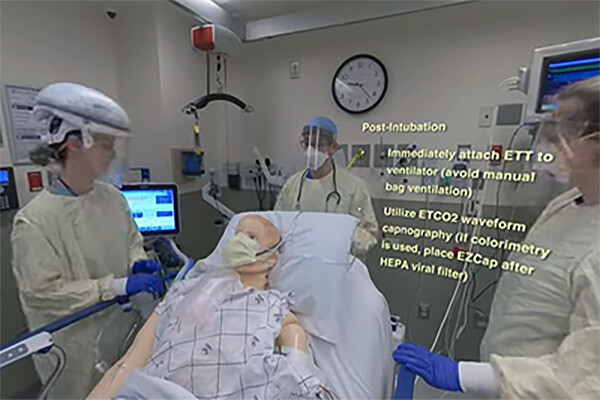
There’s an adage in medical residency training for learning how to do procedures: “See one, do one, teach one.” In the COVID-19 era, “see one” is increasingly looking like this: training videos. Additionally, there are also online conferences to impart best practices on how to operate in a substantially different medical environment that discourages some of the typical hands-on learning in order to prioritize the safety of doctors in training.
It’s important to make sure everyone who doesn’t need to be in a room is cleared out, and that everyone involved has talked through and prepared with the necessary personal protective equipment, notes Dane Scantling, a trauma/critical care fellow at Penn Medicine who was on a COVID unit in April.
As a result, only the most experienced residents perform intubations of COVID-positive patients. Keeping staff trained and informed during the pandemic has posed an ongoing challenge.
“We have daily meetings with our chief, running through a list of topics on COVID-19,” Scantling says. “It’s been a lot of coordinating and battle planning. It’s a new and different experience from what was planned for my fellowship.”
On the move: Water quality and antimicrobial resistance testing goes mobile
Penn researchers have developed a mobile field laboratory allowing them to test water quality and track antimicrobial resistance in and around San Cristóbal in the Galápagos.
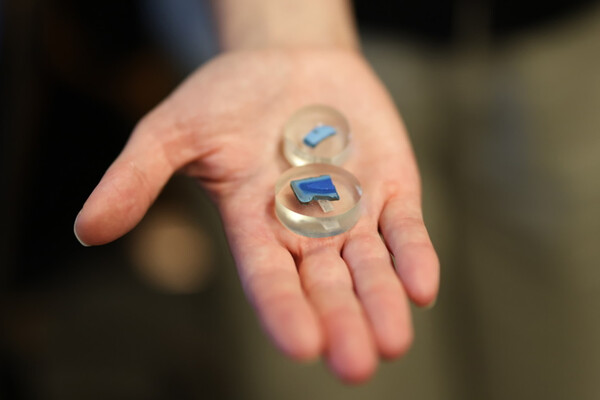
Penn researchers Vanessa and Alexis North are studying one of the largest collections of Egyptian blue objects ever found in the ancient Near East, shedding new light on how the world’s first synthetic pigment may have traveled far beyond Egypt.
A new role for dental providers? Rethinking where vaccines are given
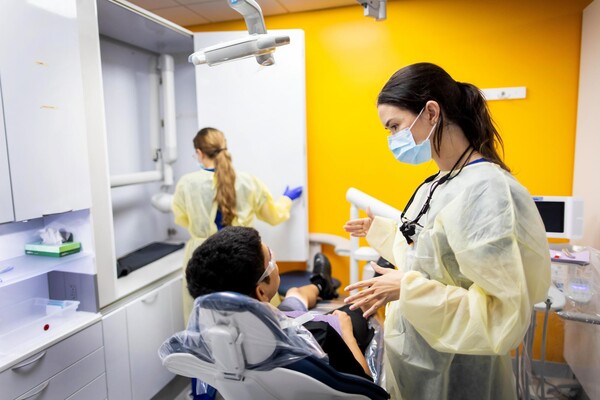
Vaccinations have traditionally been administered in primary care settings or pharmacies. However, for about a decade, some states have authorized dentists to administer vaccines, and many others did so during the COVID-19 pandemic. The effectiveness of this approach has led some countries and states to expand or consider expanding the role of dental providers in delivering routine vaccines, including those against COVID-19 and the human papillomavirus (HPV), and in providing vaccine education.
Penn student develops a way for computer chips to run more efficiently
Fluid Silicon, a platform from President’s Sustainability Prize winner Nhlanhla Mavuso, allows computer chips to continuously monitor their health and self-tune as their characteristics change. The technology has the potential to reduce energy usage in data centers and improve reliability in mission-critical applications.