A summer of research and teaching with Scribe Video Center
Through the Summer Humanities Internship Program, rising third-year Sarah Attia has honed her research and interviewing skills and taught archival skills to elementary students.
2 min. read
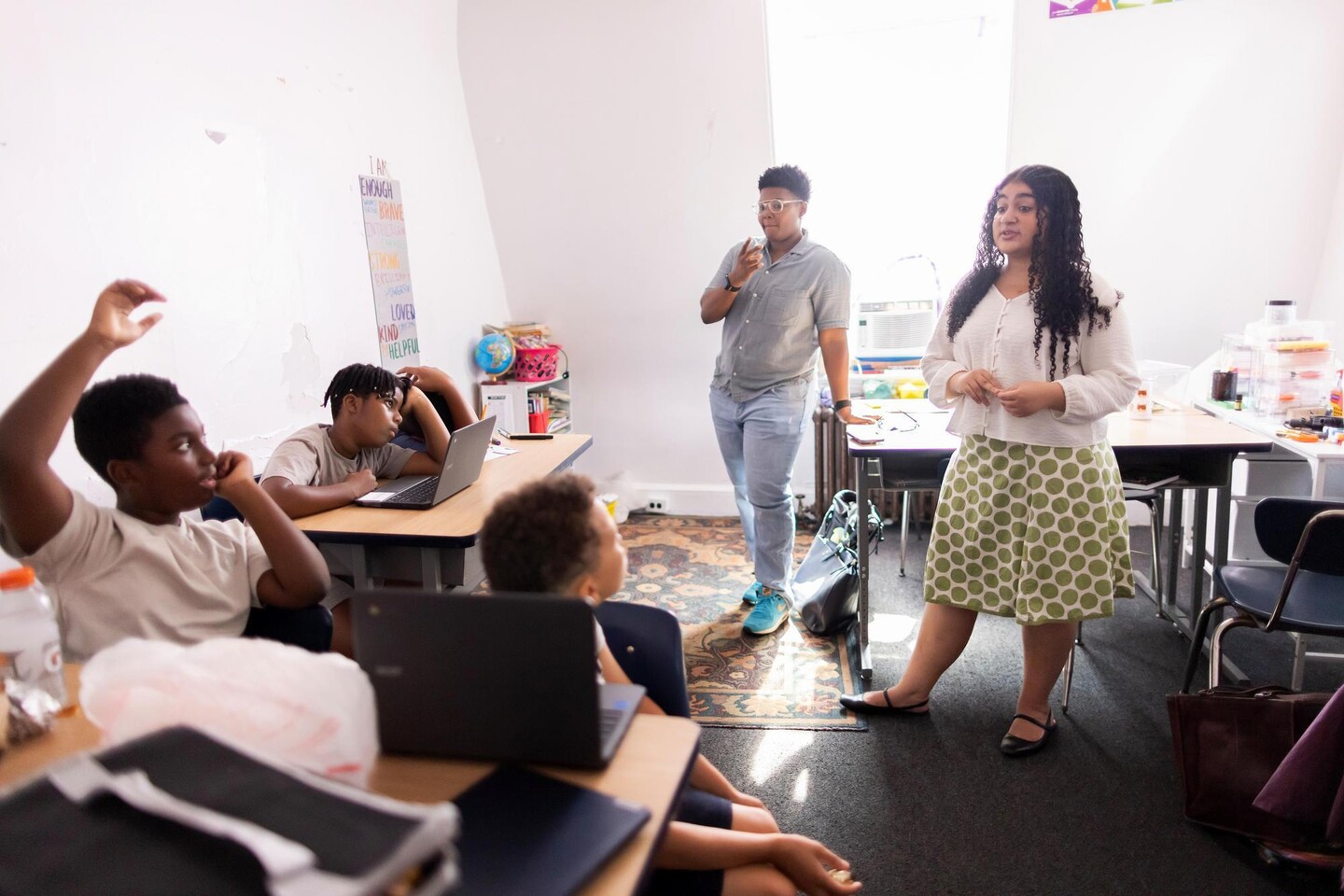
As part of a summer internship at Scribe Video Center, rising third-year student Sarah Attia taught students at the Jubilee School in West Philadelphia how to use archives to find primary sources about John Coltrane’s life in Philadelphia.
At the Jubilee School in West Philadelphia, undergraduate Sarah Attia sat with a few students—entering grades four to six this fall—and pulled up the website of Temple University’s Charles L. Blockson Afro-American Collection. “I want you to scroll through and find one source from these 19 that you want to take a closer look at,” she said.
Attia and Tiffany R. Smith, humanities coordinator at Scribe Video Center, were teaching students about using the Library of Congress and Blockson collection to find primary sources for an upcoming exhibit about jazz and Philadelphia from the 1940s to ‘60s. The students were specifically researching John Coltrane.
Attia engaged the students with a lot of questions: What’s the difference between a primary and secondary source? How might it be useful to have access to Blockson’s collection of books, newspaper articles, and musical instruments? Why is it important to look at the Black press?
Attia says she became interested in the Scribe internship after serving as a teaching assistant this past year for Community Youth Filmmaking, a course that showed her how some communities have struggled to have their stories told in a way that represents them.
A big focus of the internship, she says, has been helping prepare for Scribe’s second North Philadelphia History Festival, which takes place Sept. 25-27. Scribe founder and executive director Louis Massiah notes that the programs and workshops that the nonprofit offers teach people how to use video tools as a way of looking at community issues and concerns. He adds that many programs have developed out of Scribe’s focus on history.
The Coltrane exhibit is part of the history festival; Massiah says Scribe is using the 100th anniversary of Coltrane’s birth (Sept. 23) to look at music, history, and spirituality. The work with Jubilee students stems from Scribe’s longstanding partnership with the school.
“Sarah’s done a huge amount of work,” Massiah says. He adds that she has also been involved in a project looking at liner notes from the late jazz critic Francis Davis, who researched and wrote extensively about Coltrane.
Attia has also been working on Power Politics, an oral history project interviewing organizers and leaders in historically disadvantaged communities. The theme this year is solidarity, and with the mentorship of local journalist Barbara Grant, she is focused on labor and environmental movements.
Attia says this project has taught her skills in research and interviewing. She also visited North Philadelphia, went to the Parkway Central Library to do archival research with maps, and attended a Juneteenth screening of Massiah’s 2025 documentary “TCB: The Toni Cade Bambara School of Organizing,” for which she helped with subtitles.
The internship has shown her a real-world application of her humanities education at Penn, Attia says, because the research produced at Scribe goes directly into the events the nonprofit organizes and the people it honors.
On the move: Water quality and antimicrobial resistance testing goes mobile
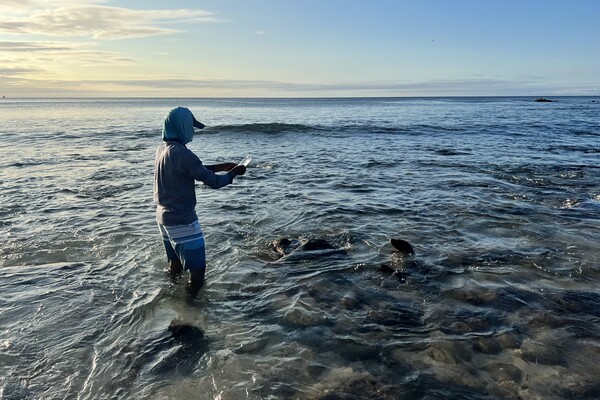
Penn researchers have developed a mobile field laboratory allowing them to test water quality and track antimicrobial resistance in and around San Cristóbal in the Galápagos.
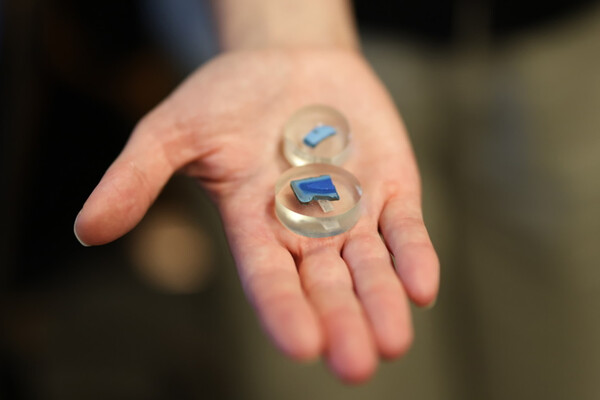
Penn researchers Vanessa and Alexis North are studying one of the largest collections of Egyptian blue objects ever found in the ancient Near East, shedding new light on how the world’s first synthetic pigment may have traveled far beyond Egypt.
A new role for dental providers? Rethinking where vaccines are given
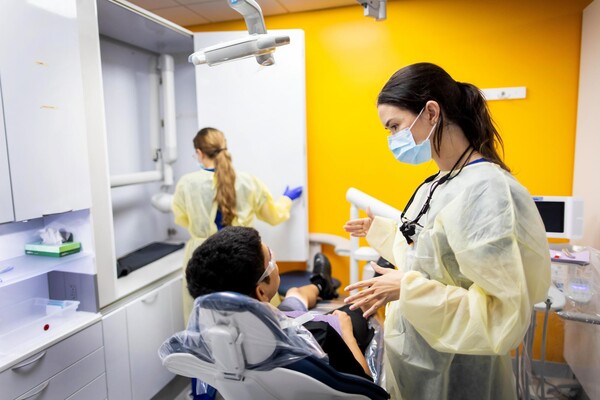
Vaccinations have traditionally been administered in primary care settings or pharmacies. However, for about a decade, some states have authorized dentists to administer vaccines, and many others did so during the COVID-19 pandemic. The effectiveness of this approach has led some countries and states to expand or consider expanding the role of dental providers in delivering routine vaccines, including those against COVID-19 and the human papillomavirus (HPV), and in providing vaccine education.
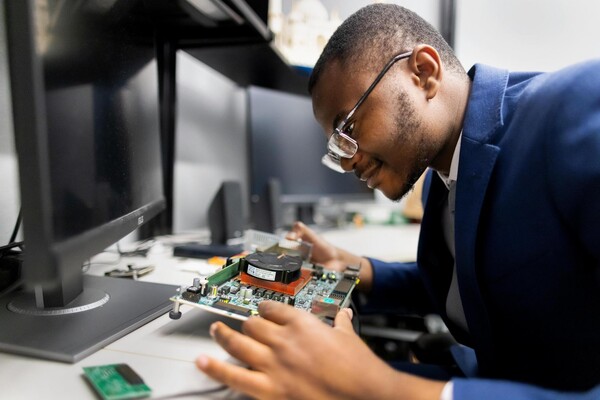
Penn student develops a way for computer chips to run more efficiently
Fluid Silicon, a platform from President’s Sustainability Prize winner Nhlanhla Mavuso, allows computer chips to continuously monitor their health and self-tune as their characteristics change. The technology has the potential to reduce energy usage in data centers and improve reliability in mission-critical applications.