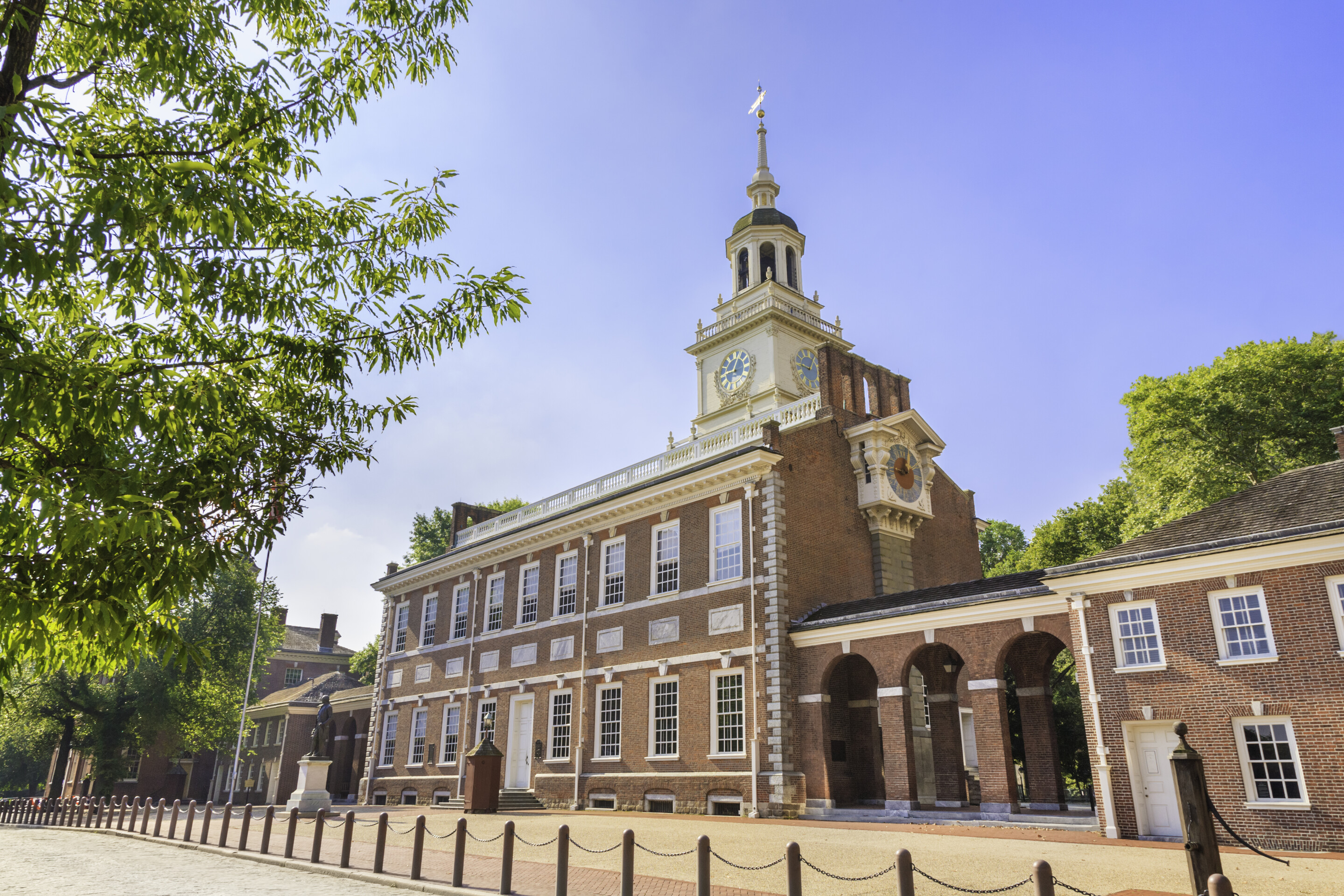
The Semiquincentennial marks the 250th anniversary of the signing of the Declaration of Independence at Philadelphia’s Independence Hall.
(Image: dszc via Getty Images)
In 1776, America stood at a crossroads. This diverse set of stories illuminates Revolutionary Philadelphia and the emerging nation, including the stories of the daily lives of ordinary people as told by students, an exploration of early institutions and the economic forces shaping the era, and the cultural and intellectual landscape of the Revolution and its era.
Together, these features, videos, and photos offer a layered portrait of a moment—defined not only by independence, but also by the people, systems, and ideas that made it possible, shaped the new nation, and influenced Europe and the Americas.
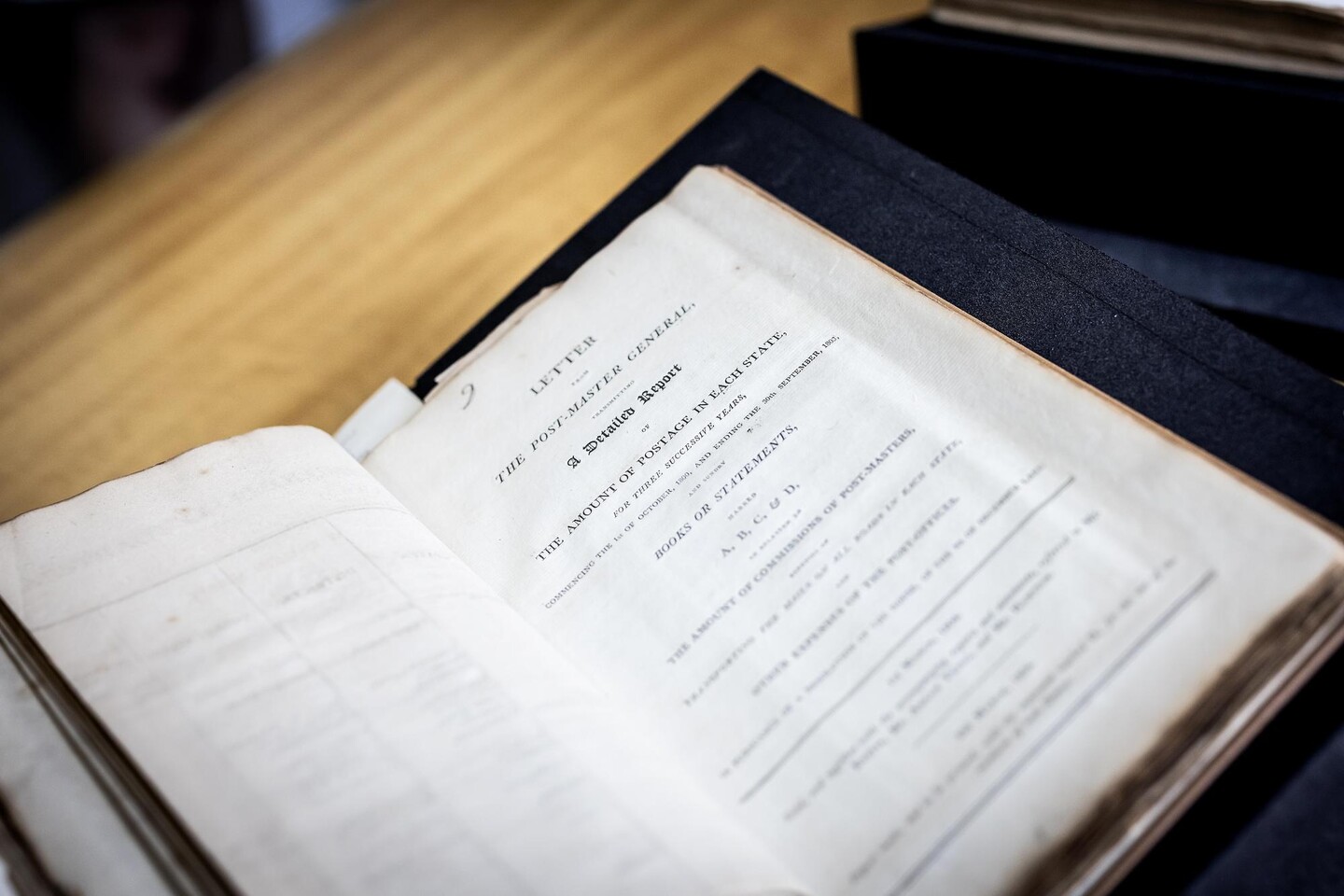
In honor of the 250th anniversary of the United States Post Office, Penn Today highlights postal-related items in the Penn Libraries’ Kislak Center for Special Collections.
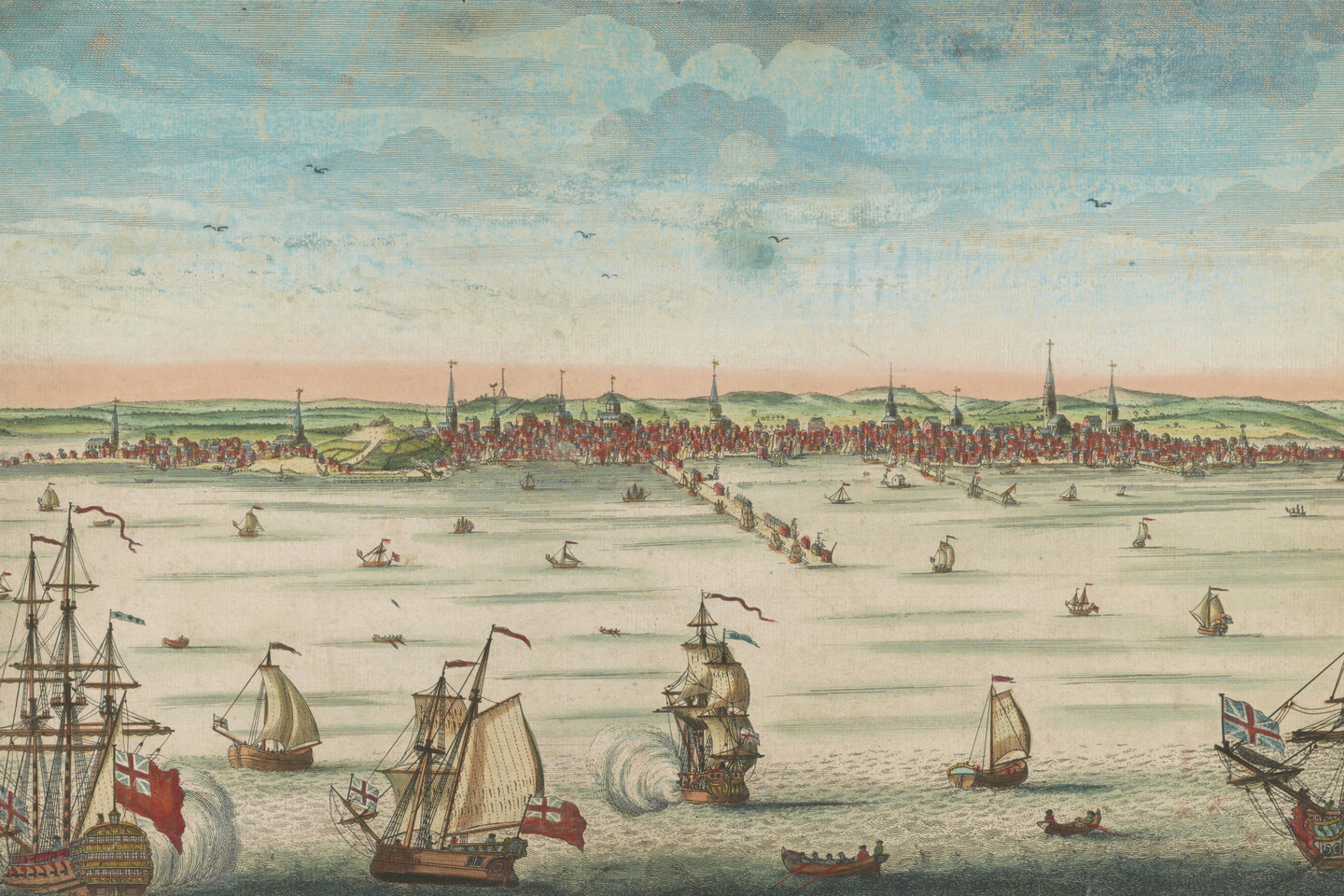
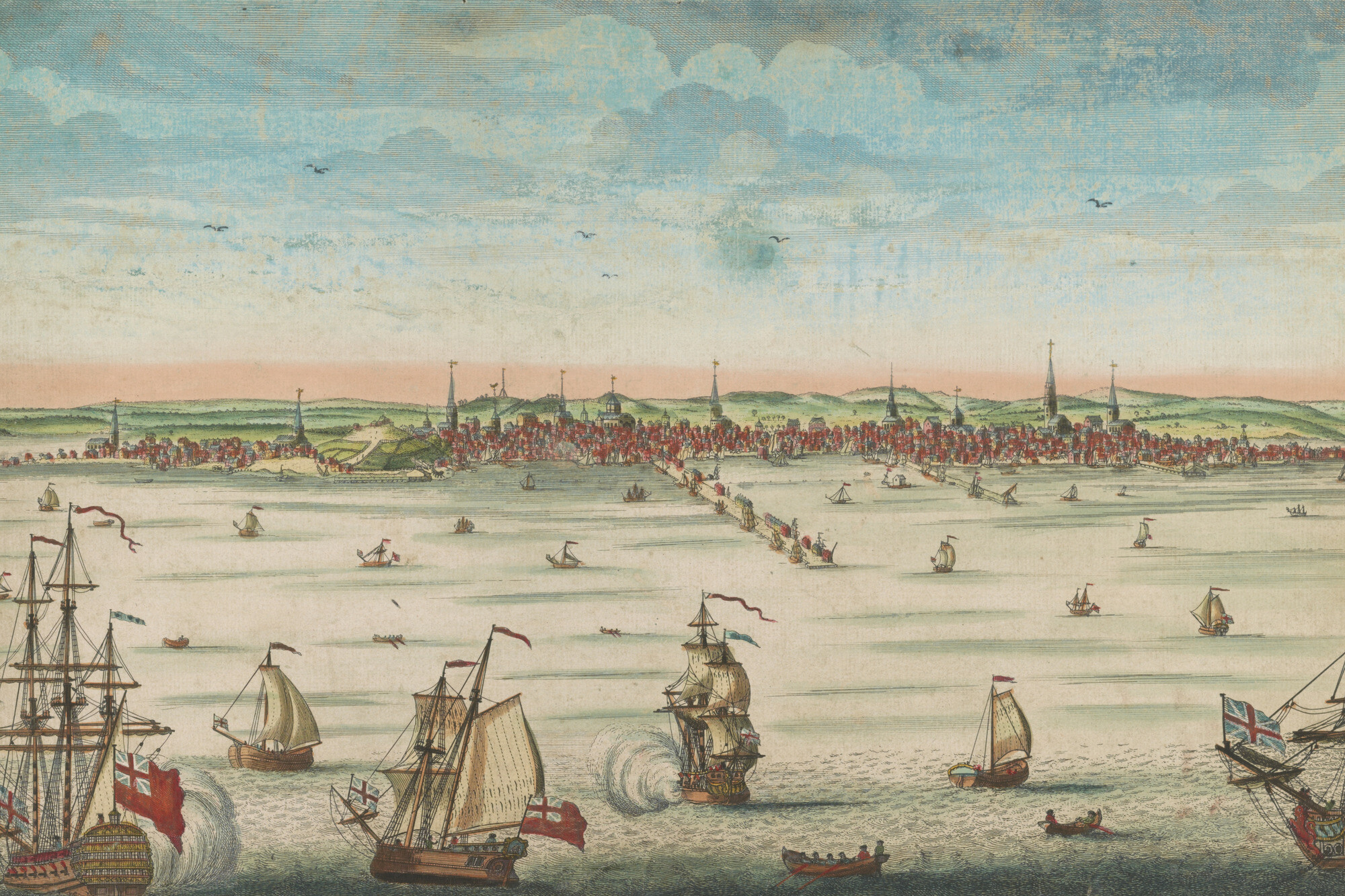
A 1700s etching of Boston, seen from the southeast, by engraver John Carwitham.
(Image: Library of Congress)
Penn economist Fernando Arteaga shares insights into the factors that led to the American Revolution and the later institutions that created the strong U.S. national economy.
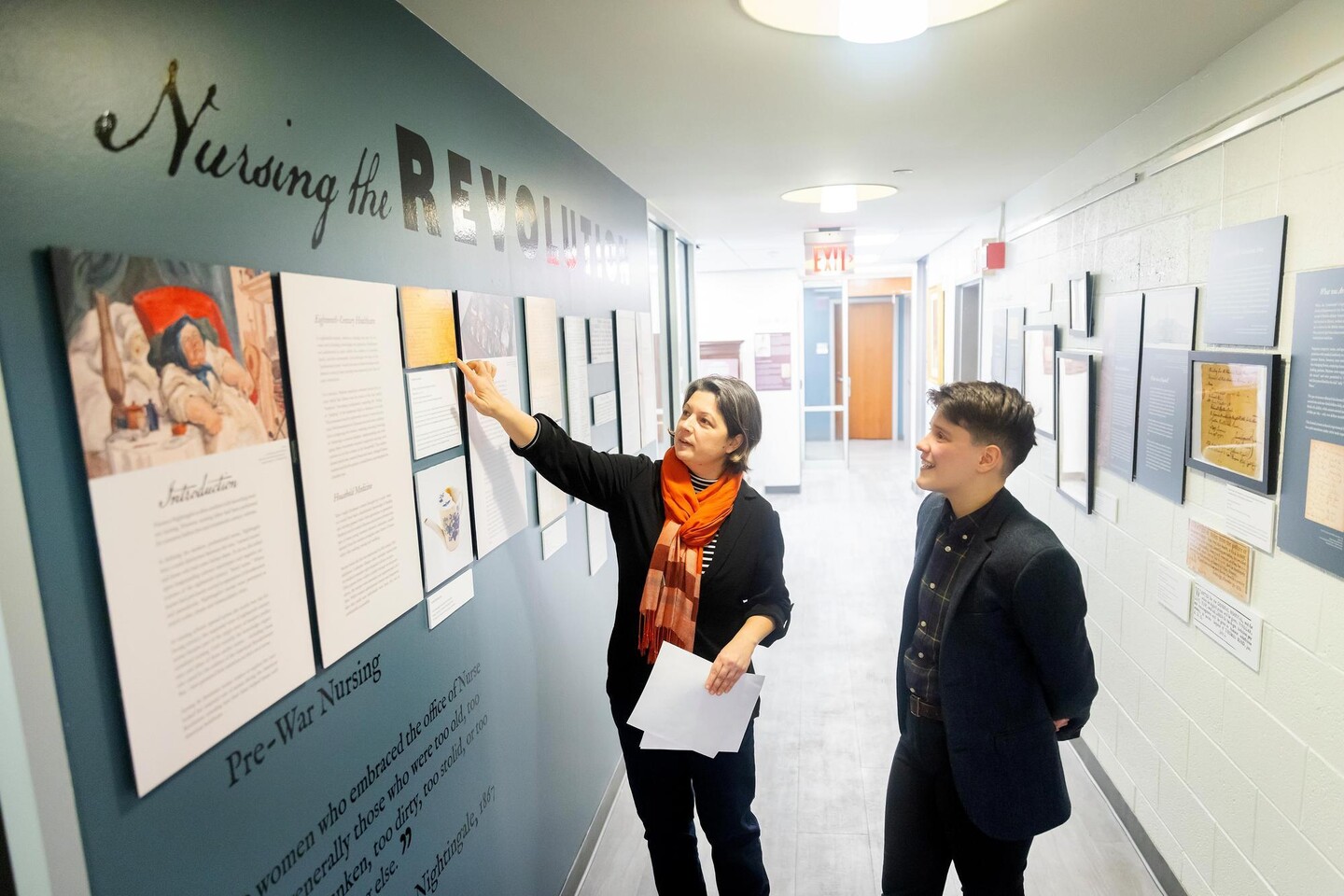
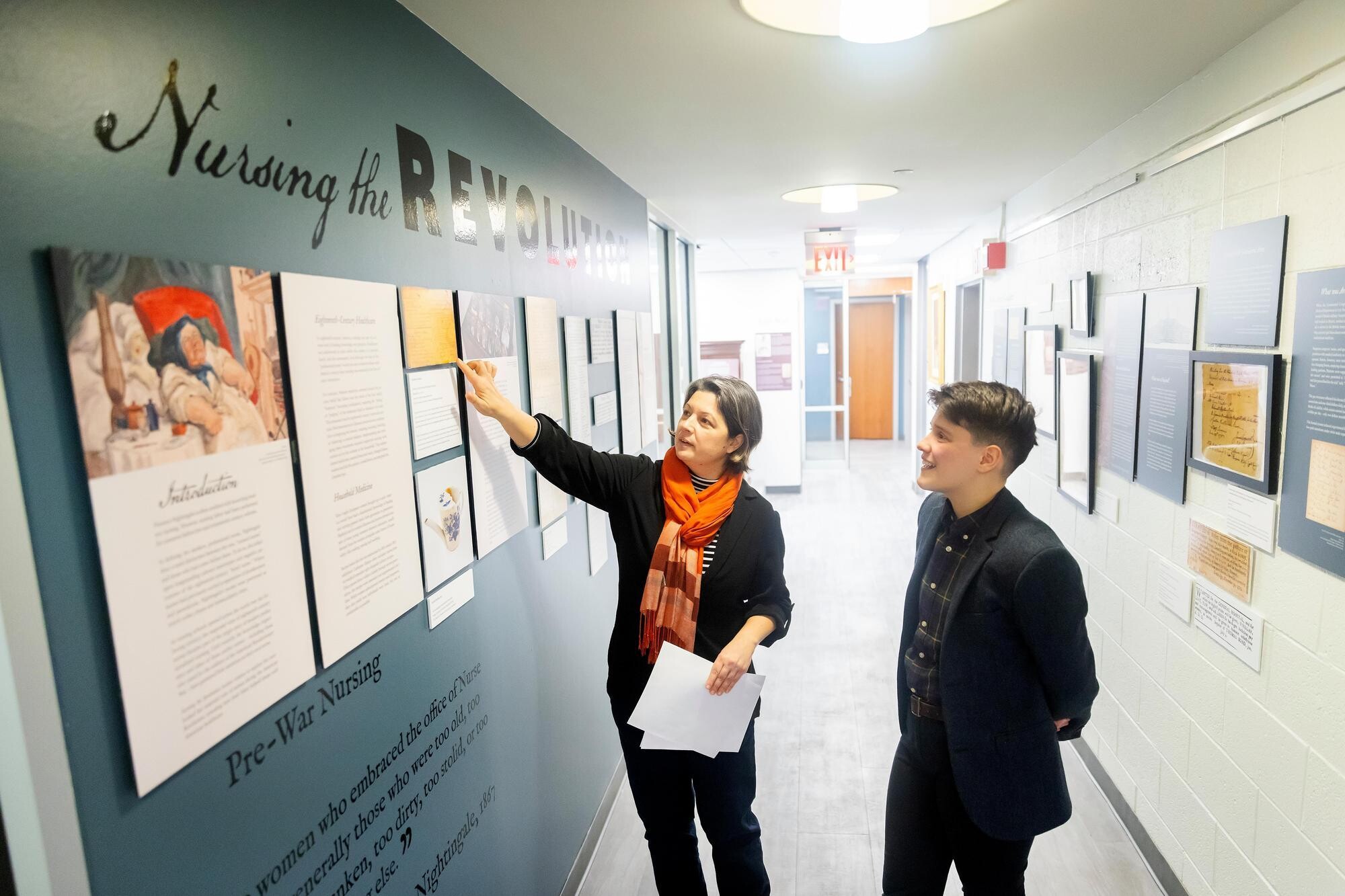
Curator Jessica Martucci, left, and guest curator Meg Roberts discuss the “Nursing the Revolution” exhibit at the Bates Center for the Study of the History of Nursing.
A new exhibit at Penn’s Barbara Bates Center for the Study of the History of Nursing documents the long trajectory of nursing in America, going back to the Revolutionary War.
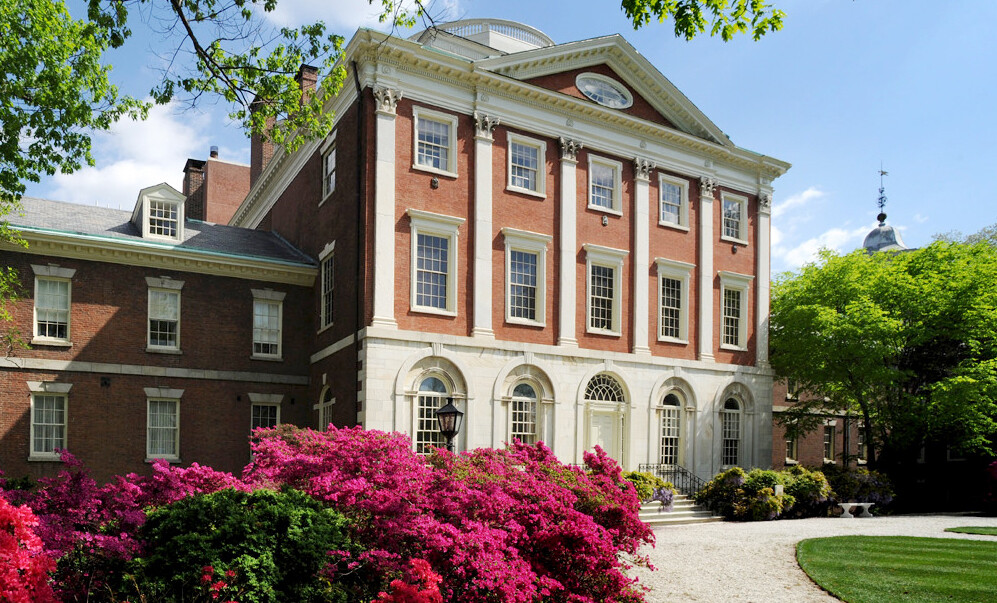
Since its founding in 1751, Pennsylvania Hospital has been a leader in patient care. Today, it is nationally recognized for programs in neurosurgery, obstetrics and high-risk maternal and fetal services, neonatology, behavioral health, and orthopaedics.
Pennsylvania Hospital marks its 275th anniversary with exhibits that connect Penn Medicine’s medical history to modern breakthroughs.
In honor of the 250th anniversary of America, Penn Today spoke with linguist Gareth Roberts about some of the ways that accents have emerged and word meanings have shifted since colonial times.
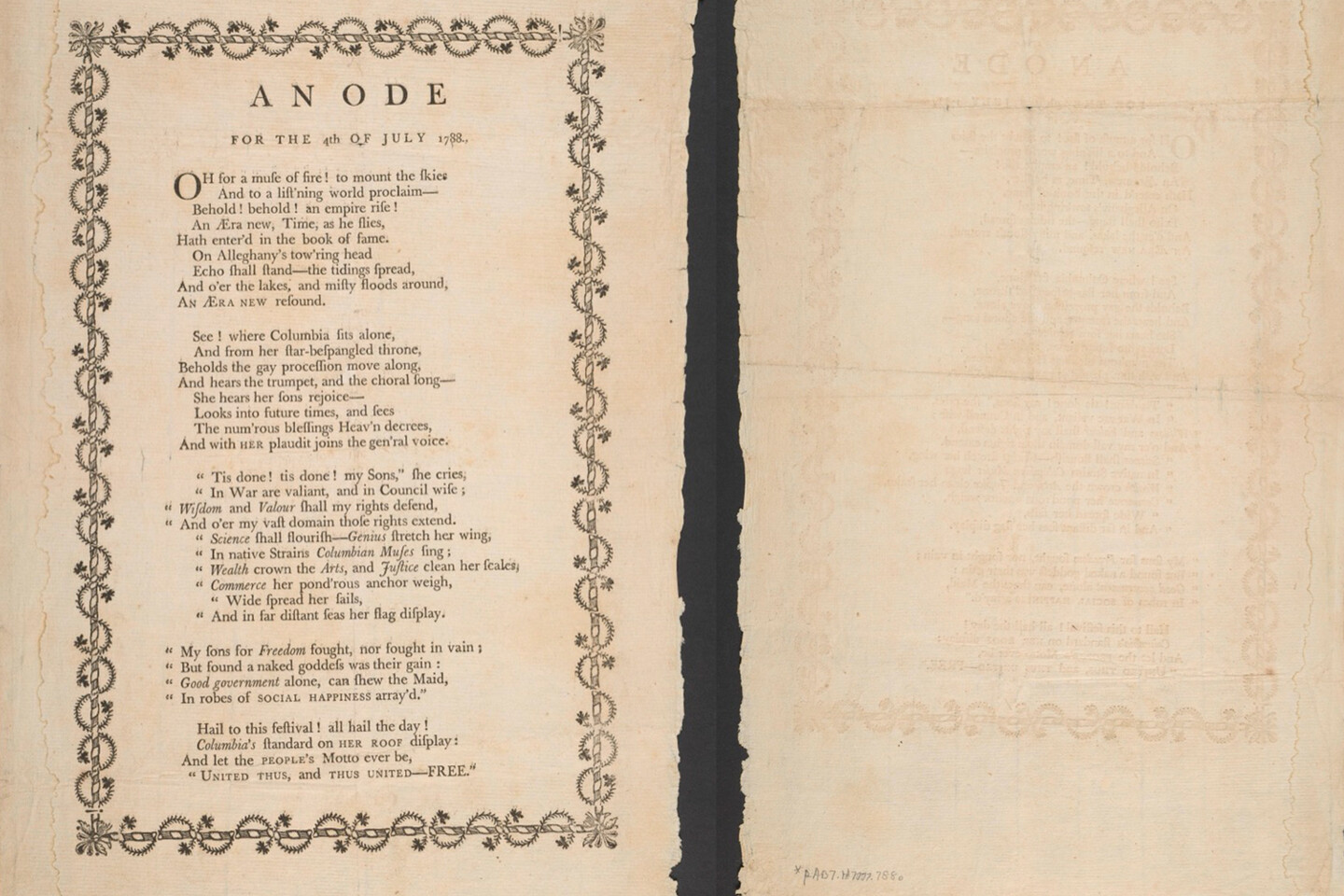
A broadside of “An Ode for the Fourth of July,1788,” written by Francis Hopkinson. The copy, which previously belonged to Benjamin Franklin, is part of the Francis Hopkinson Collections at the Kislak Center for Special Collections, Rare Books and Manuscripts.
(Image: Courtesy of Penn Libraries)
“An Ode for the Fourth of July, 1788” is a songsheet by 1757 graduate and Declaration of Independence signer Francis Hopkinson held in the Kislak Center. It represents an early celebration of a new nation and a reckoning with what patriotism in a burgeoning democracy should look like.
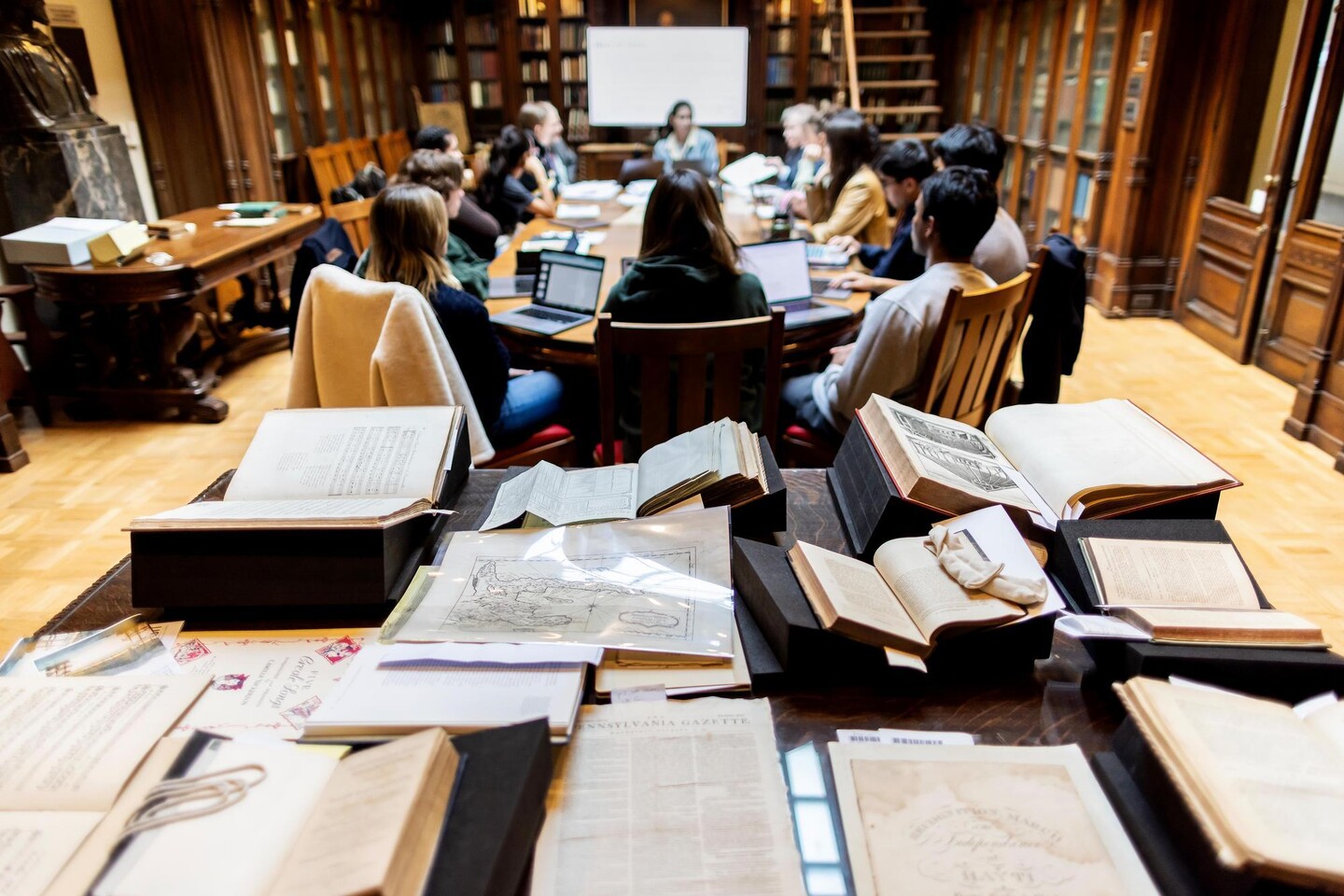
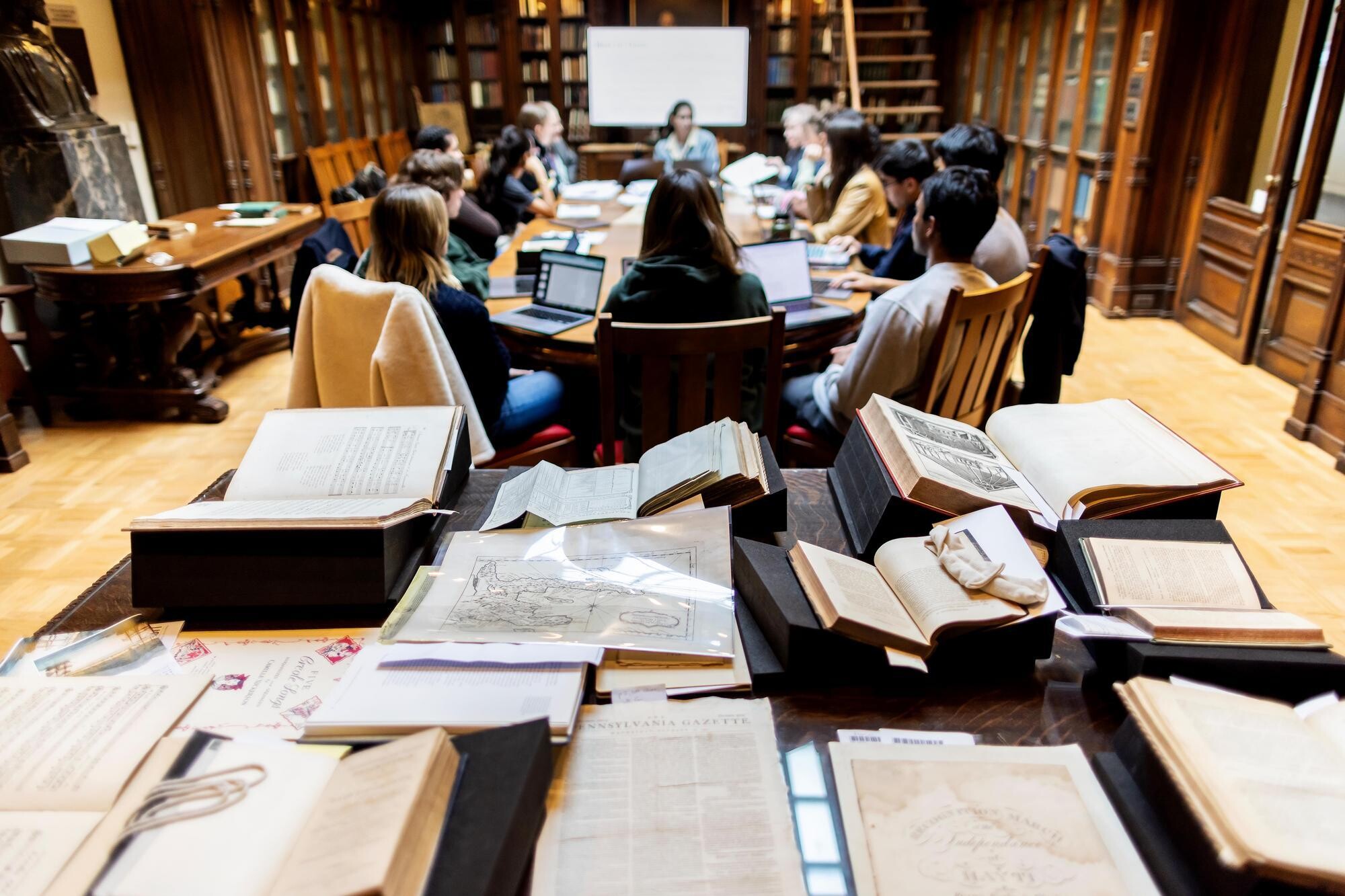
A course on printing and publishing during ages of revolutions taught this spring explored the American, French, and Haitian revolutions as well as transformations of other sorts, including the scientific revolution and the rise of women as writers.
A course taught by Professor of History Roger Chartier and Kislak Center curator John Pollack took students on a journey through revolutions as told through writing, tackling issues of both political and societal change.
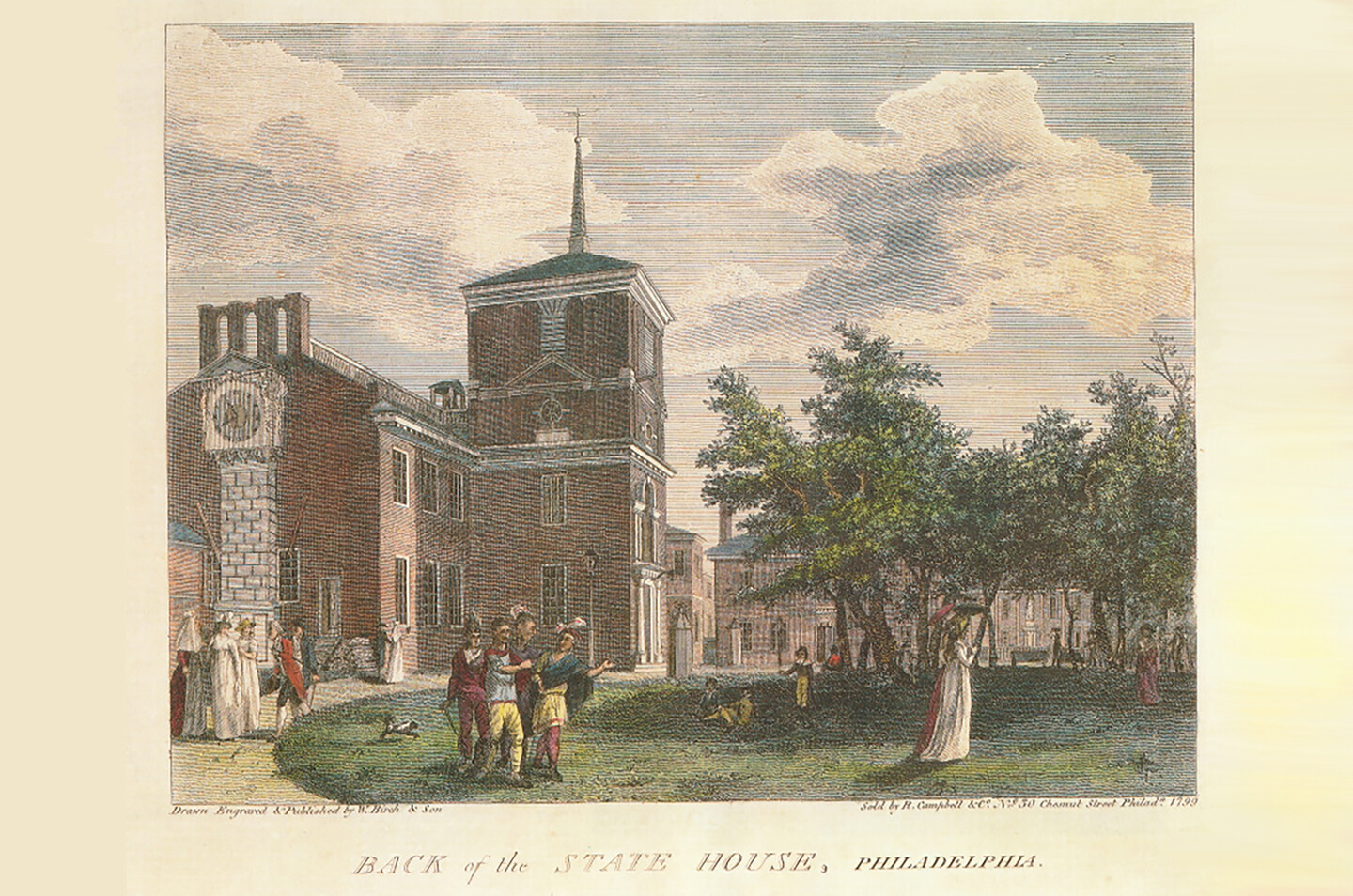
“Back of the State House, Philadelphia”. Plate 22 from “The City of Philadelphia as it appeared in the Year 1800”. Published by W. Birch, Springland Cot. near Neshaminy Bridge on the Bristol Road; Pennsylvania. Decr. 31st 1800. University of Pennsylvania Art Collection, Philadelphia.
(Image: Courtesy of the Arthur Ross Gallery)
“At Liberty: Life in the City of Brotherly Love During the Early Republic” will be on view Aug. 28 through Dec. 31. The fall exhibition, located in the Arthur Ross Gallery, will consider the role of visual culture and perceptions of Philadelphia during the era of the Revolution.
American independence from Great Britain in 1776 set the stage for the first in a series of 18th century state constitutions; the United States Constitution was drafted in 1787, France followed in 1791, and Haiti’s constitution was established in 1801 following ten years of rebellion by enslaved Africans under French colonial rule.
On the move: Water quality and antimicrobial resistance testing goes mobile
Penn researchers have developed a mobile field laboratory allowing them to test water quality and track antimicrobial resistance in and around San Cristóbal in the Galápagos.
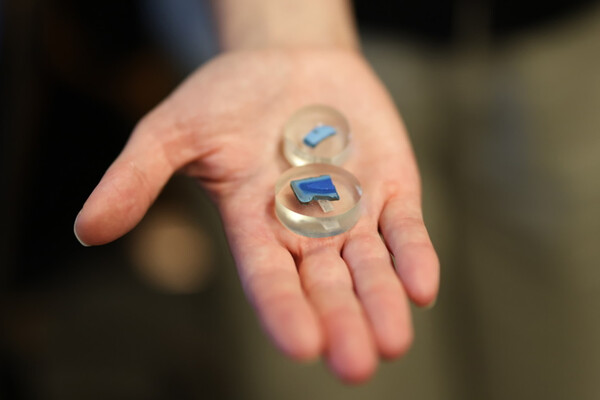
Penn researchers Vanessa and Alexis North are studying one of the largest collections of Egyptian blue objects ever found in the ancient Near East, shedding new light on how the world’s first synthetic pigment may have traveled far beyond Egypt.
A new role for dental providers? Rethinking where vaccines are given
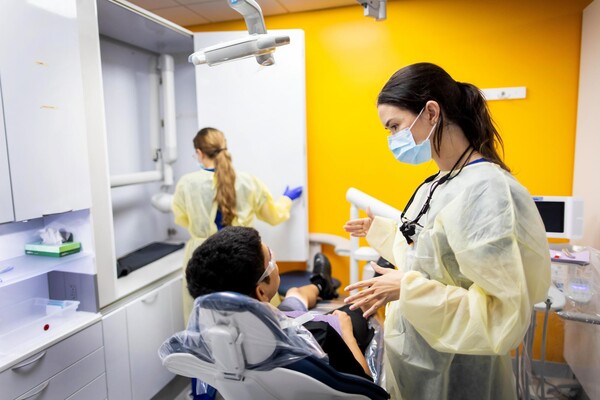
Vaccinations have traditionally been administered in primary care settings or pharmacies. However, for about a decade, some states have authorized dentists to administer vaccines, and many others did so during the COVID-19 pandemic. The effectiveness of this approach has led some countries and states to expand or consider expanding the role of dental providers in delivering routine vaccines, including those against COVID-19 and the human papillomavirus (HPV), and in providing vaccine education.
Penn student develops a way for computer chips to run more efficiently
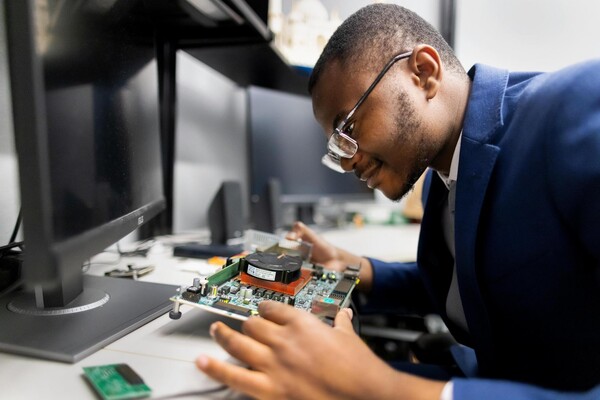
Fluid Silicon, a platform from President’s Sustainability Prize winner Nhlanhla Mavuso, allows computer chips to continuously monitor their health and self-tune as their characteristics change. The technology has the potential to reduce energy usage in data centers and improve reliability in mission-critical applications.