Images from the University Archives showcase life in the dorm over more than 100 years.
2 min. read
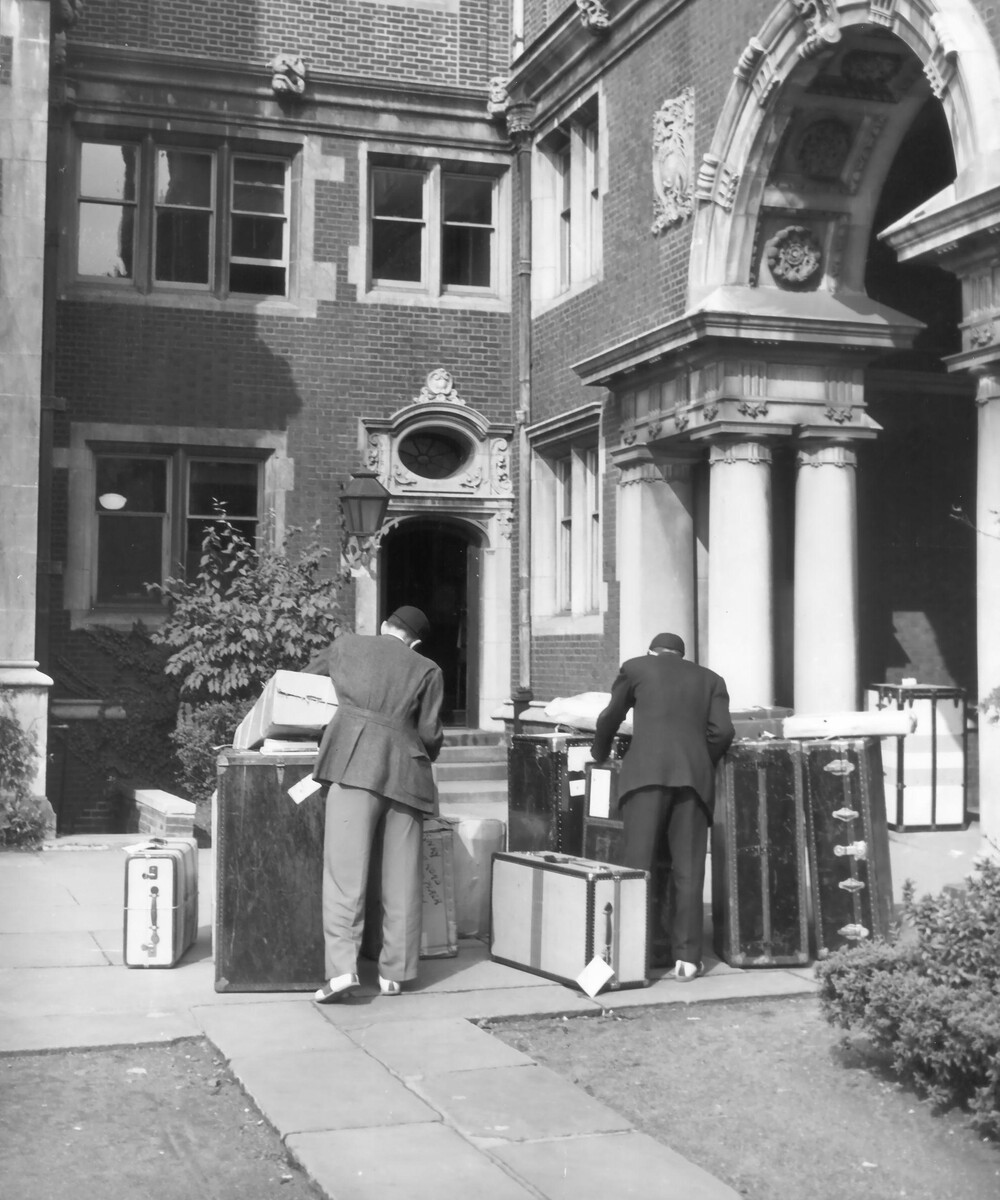
Two first-year students moving into the Upper Quad around 1940, wearing traditional beanie caps called “dinks.”
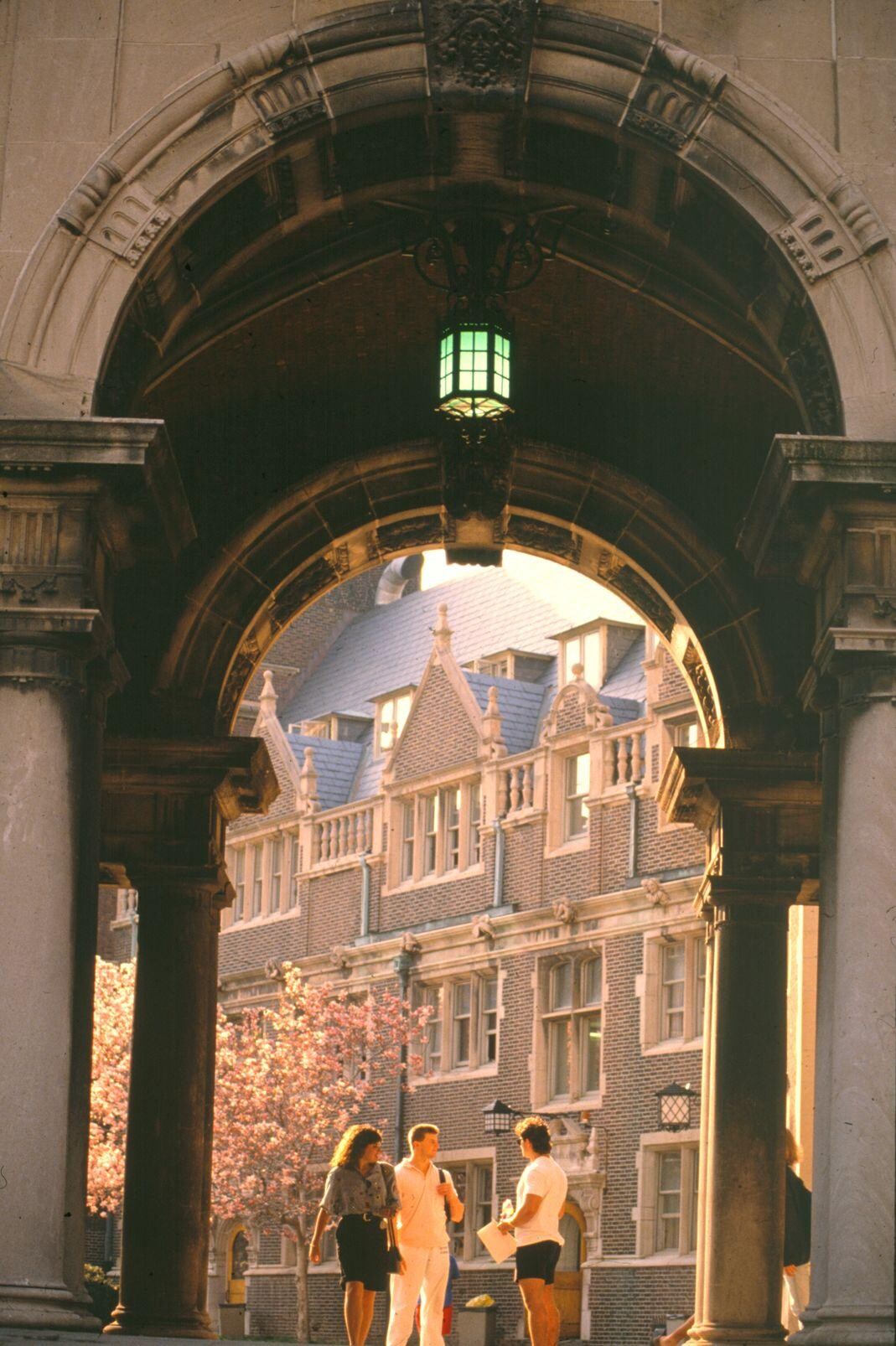
Since 1894, Penn’s ornate Quadrangle has adorned campus with its brick arches, towers, and courtyards designed to resemble Oxford and Cambridge in gothic style. Historic photographs from the University Archives reveal the stylized details and shifting styles of undergraduates throughout the centuries.
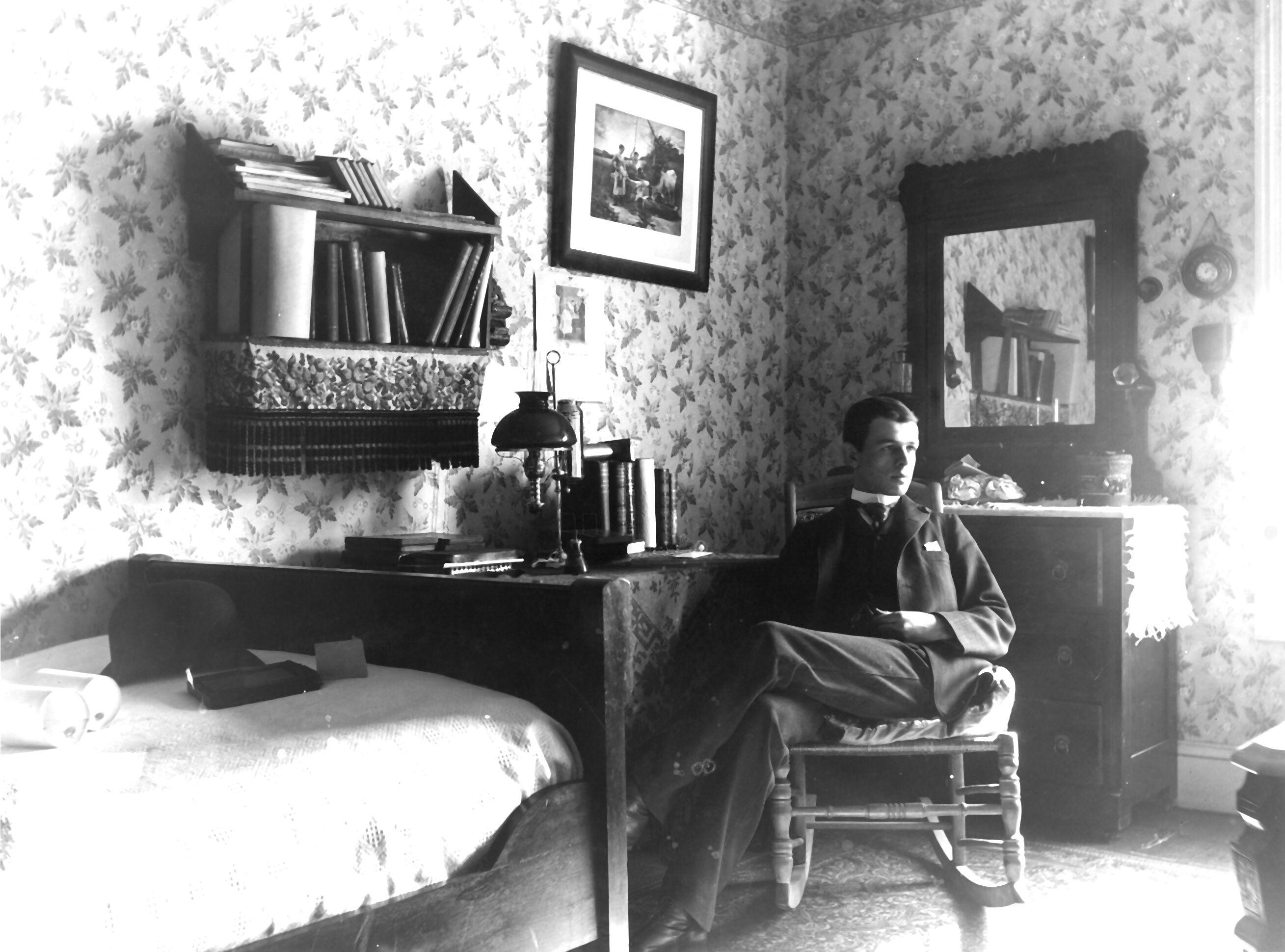
Penn student Charles Albert Dickson in the 1890s, the decade construction began. Dickson, from Pittsburgh, was a metallurgy and mining student at Penn who participated in the Camera Club and the Scientific Club.
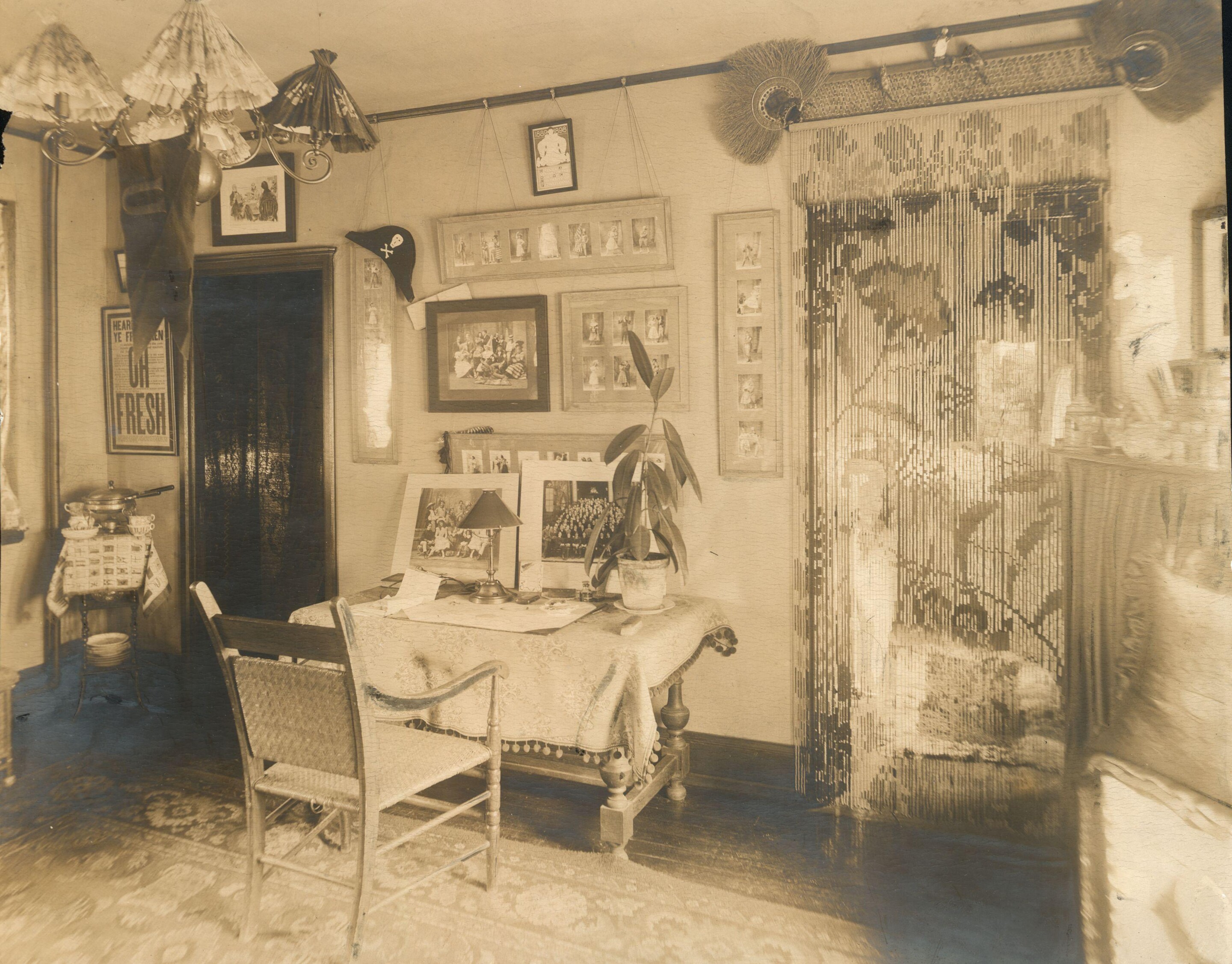
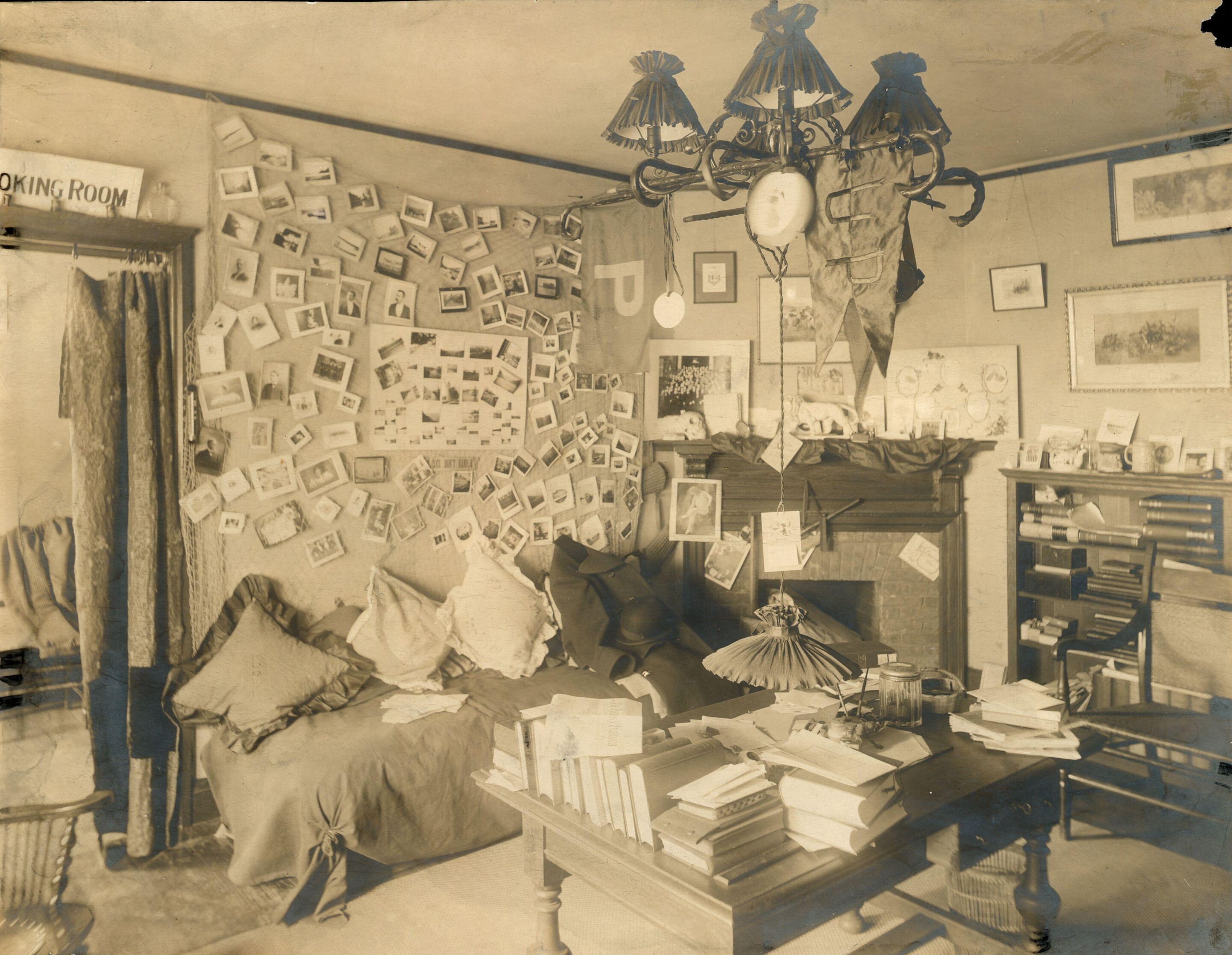
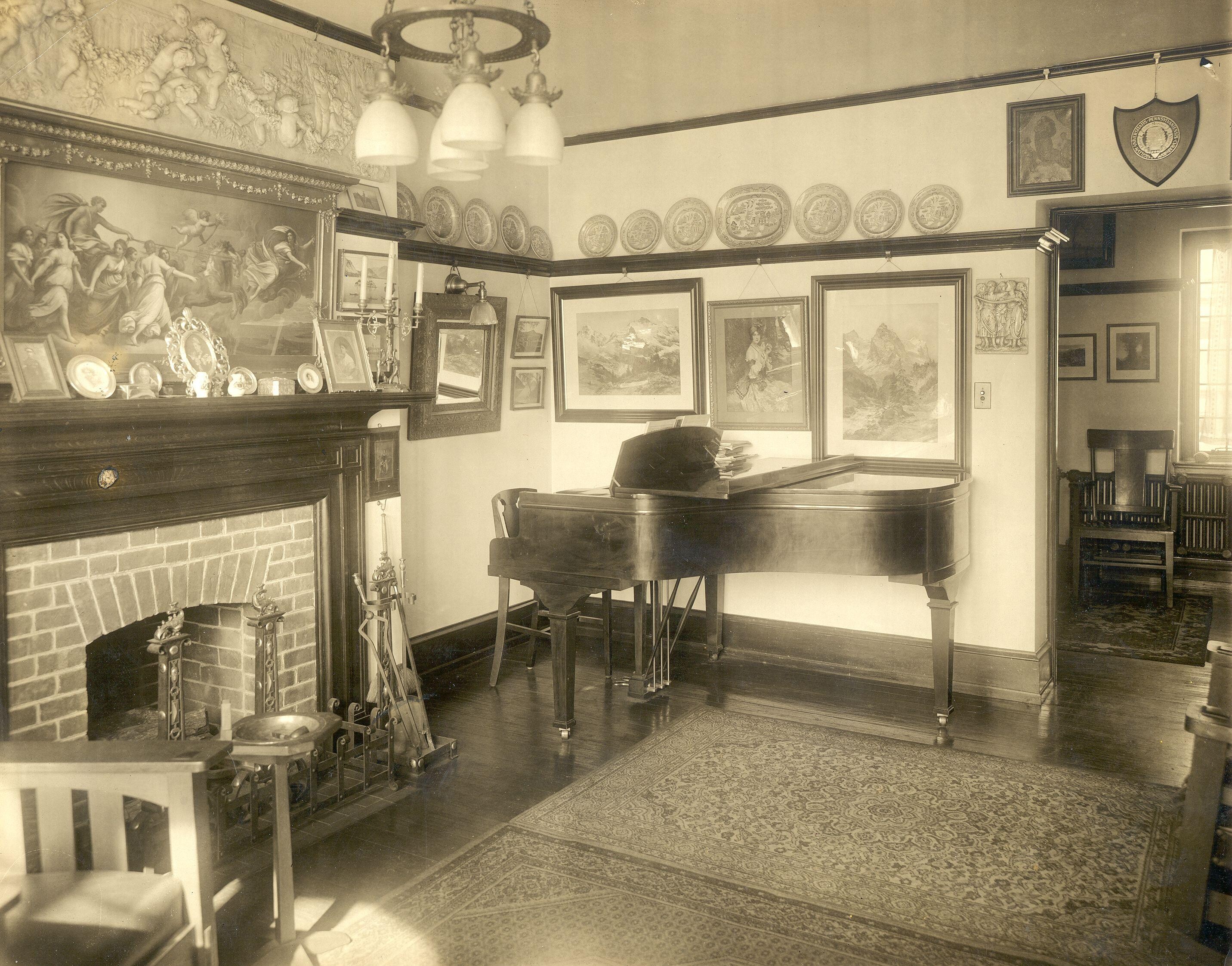
A student room in the Upper Quad around 1900. After the first part was built, additions to the Quad were constructed in stages in 1899, 1905, 1908, 1911, and 1923.
A student room in the Upper Quad around 1900. After the first part was built, additions to the Quad were constructed in stages in 1899, 1905, 1908, 1911, and 1923.
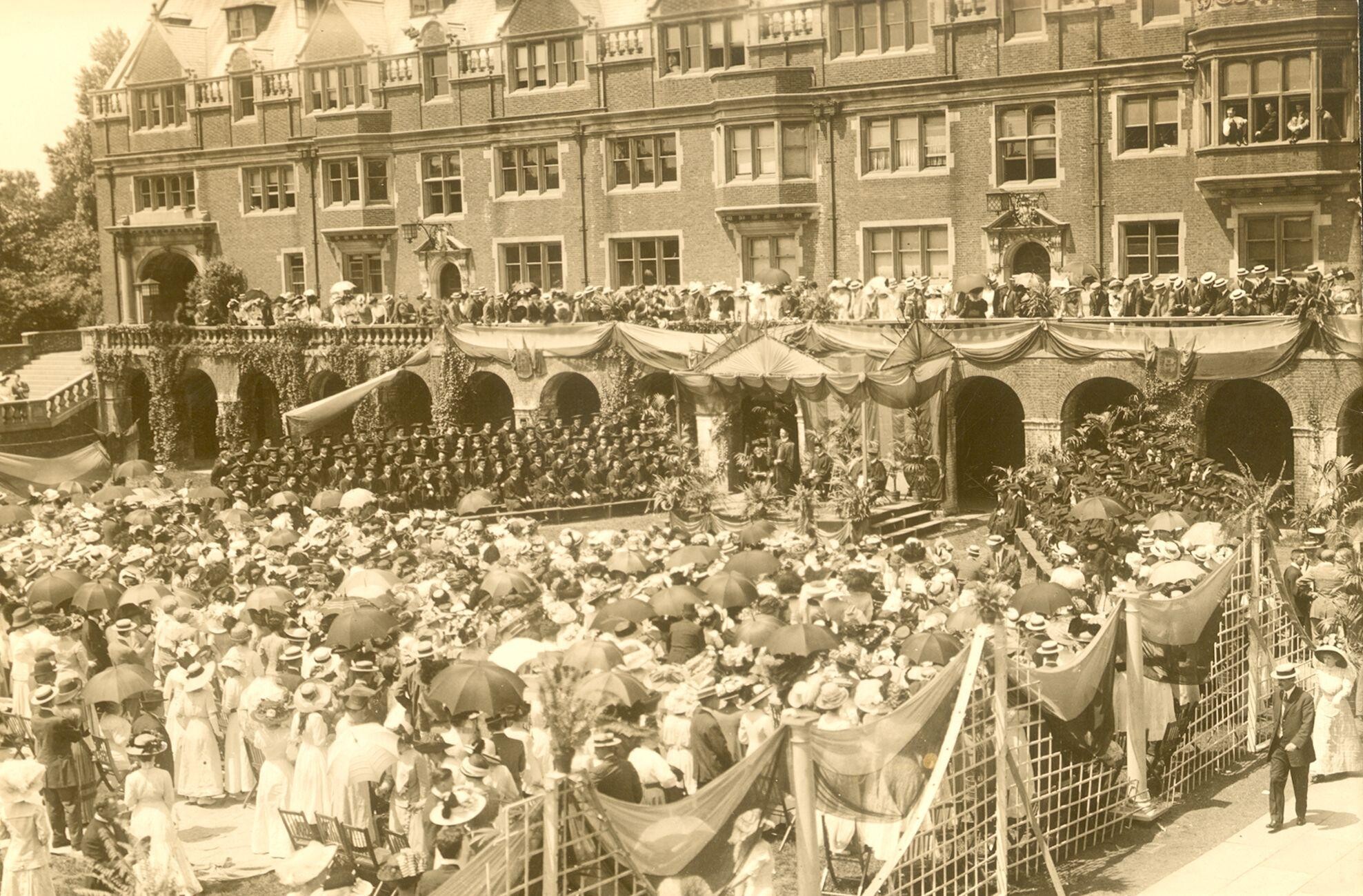
Students in the Lower Quad for the Class Day ceremony in June 1911.
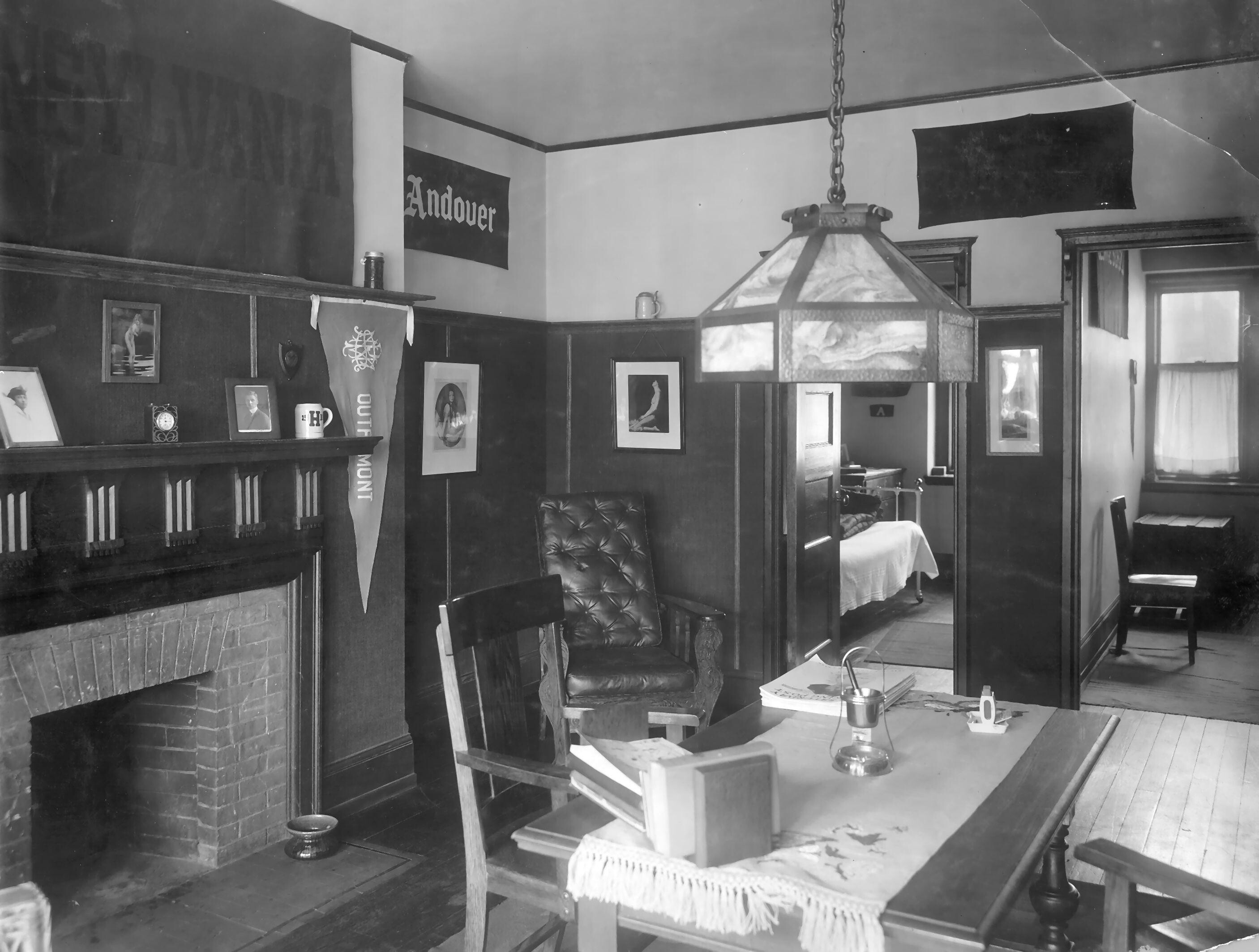
Room 235 in Cleeman House, part of what is now Riepe College House, in March 1917.
A double suite in Hopkinson House, located in what is now Fisher Hassenfeld College House, in 1917.
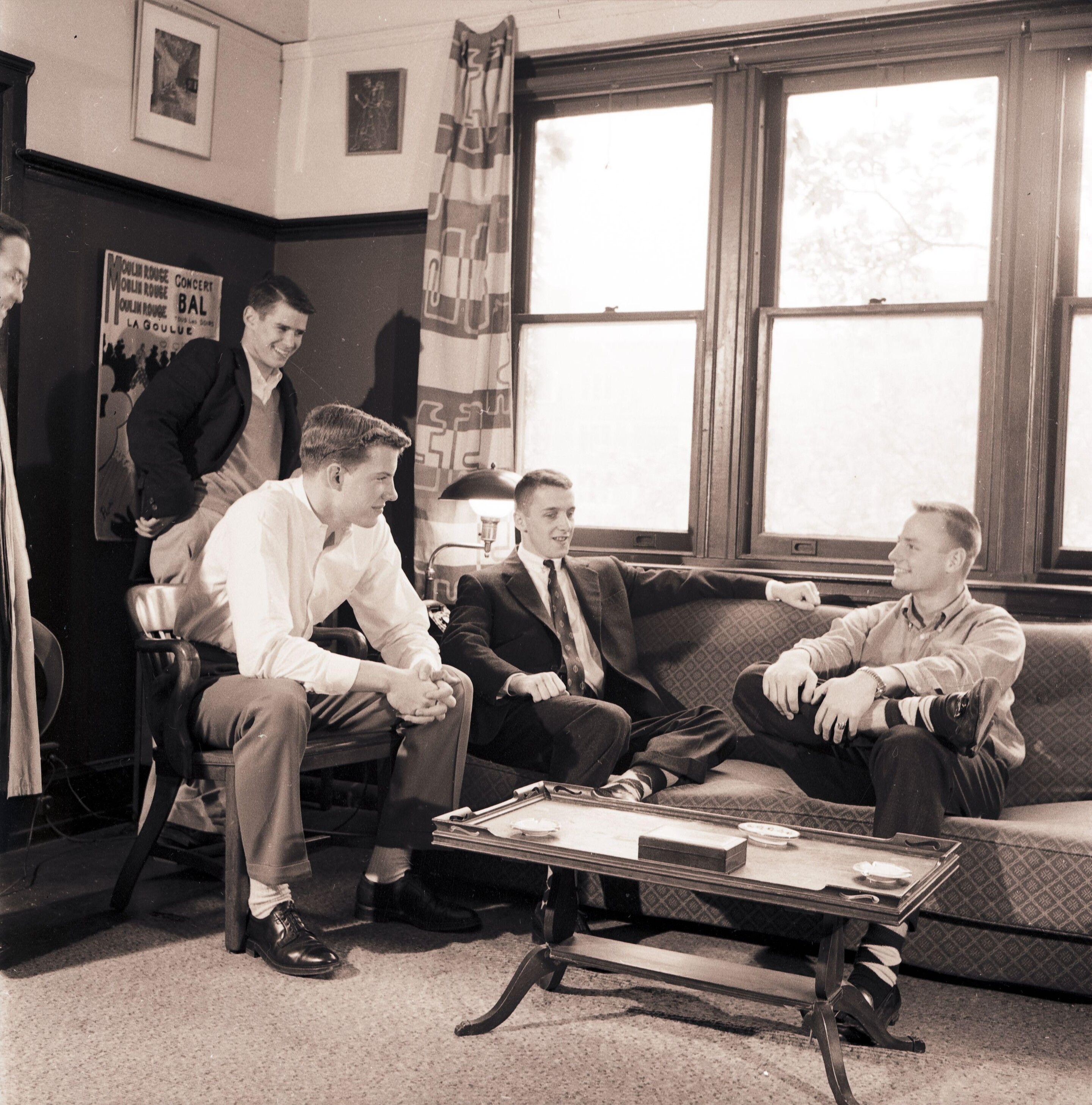
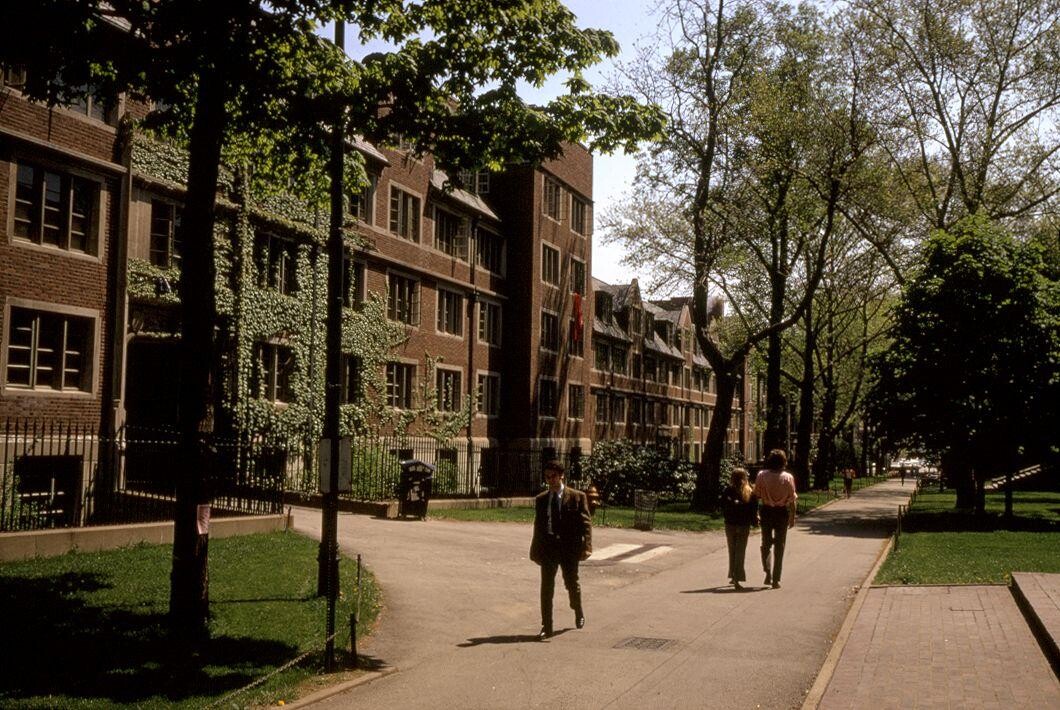
Students in the Quad around the mid-1950s.
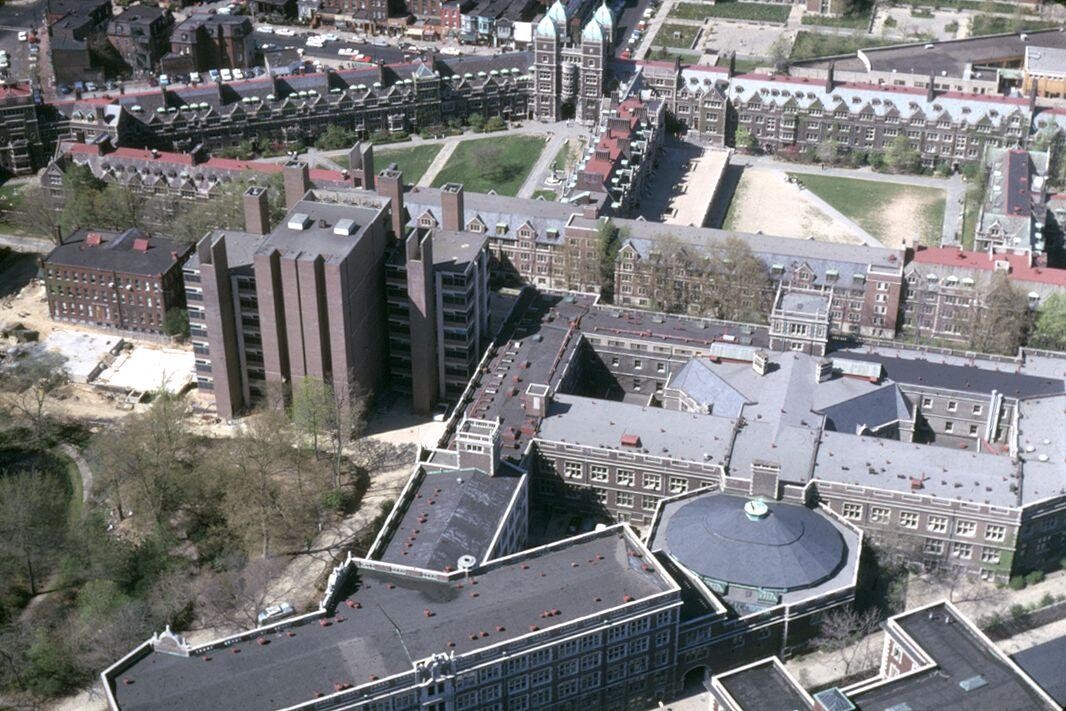
Aerial view of the Quad circa 1963.
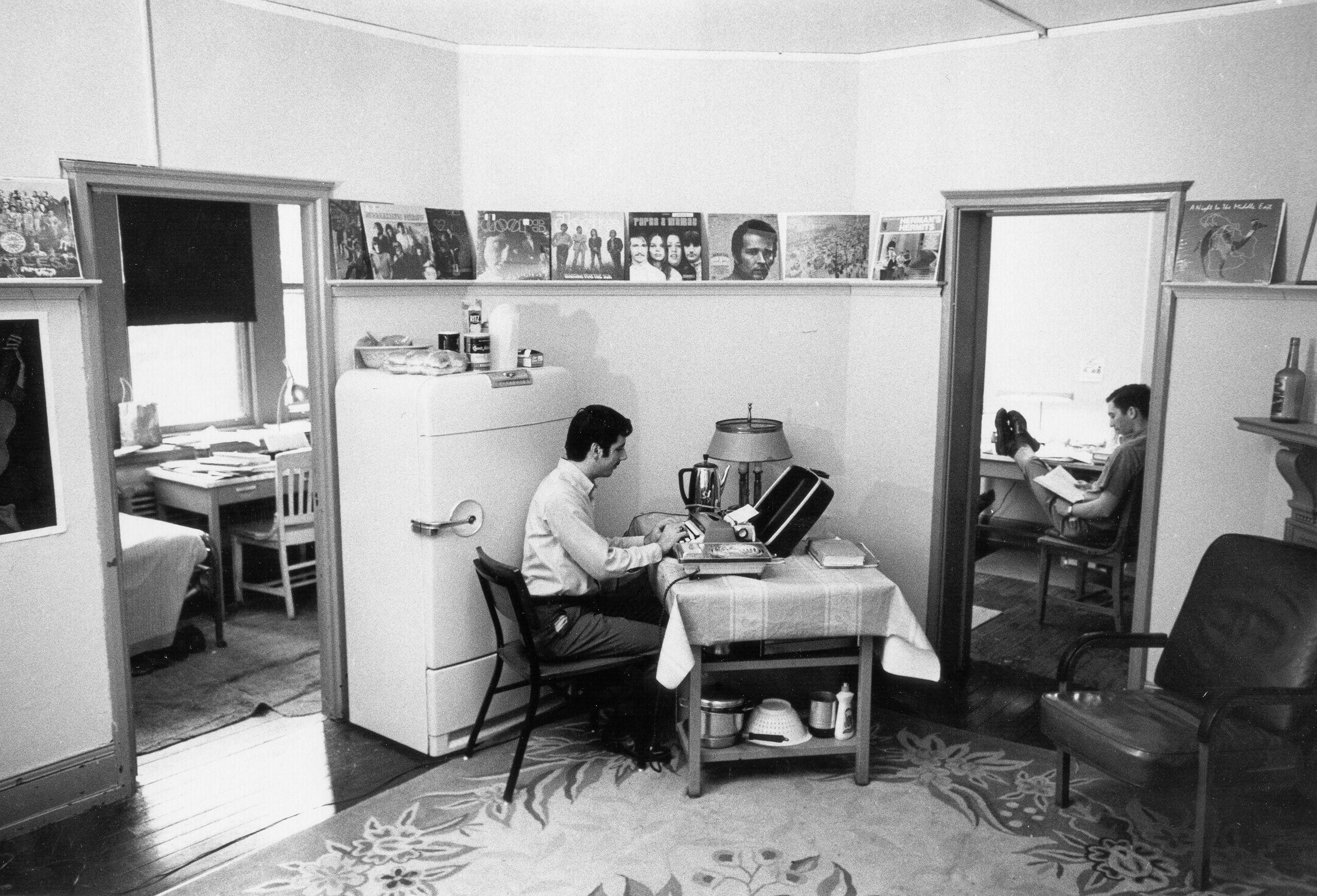
Students study in their room in Morris House, part of Ware College House, after renovations in December 1968.
On the move: Water quality and antimicrobial resistance testing goes mobile
Penn researchers have developed a mobile field laboratory allowing them to test water quality and track antimicrobial resistance in and around San Cristóbal in the Galápagos.
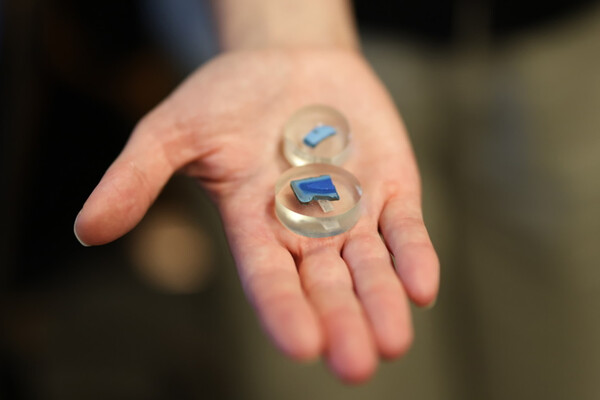
Penn researchers Vanessa and Alexis North are studying one of the largest collections of Egyptian blue objects ever found in the ancient Near East, shedding new light on how the world’s first synthetic pigment may have traveled far beyond Egypt.
A new role for dental providers? Rethinking where vaccines are given
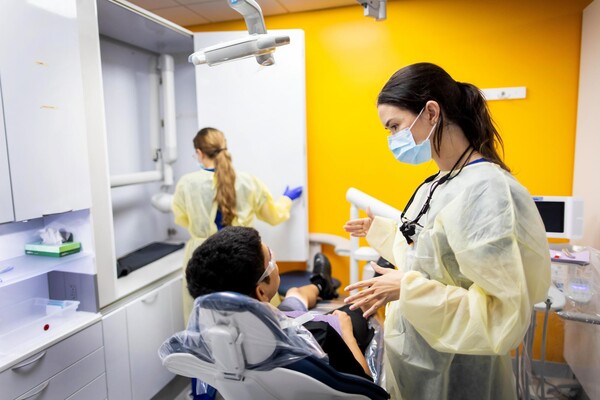
Vaccinations have traditionally been administered in primary care settings or pharmacies. However, for about a decade, some states have authorized dentists to administer vaccines, and many others did so during the COVID-19 pandemic. The effectiveness of this approach has led some countries and states to expand or consider expanding the role of dental providers in delivering routine vaccines, including those against COVID-19 and the human papillomavirus (HPV), and in providing vaccine education.
Penn student develops a way for computer chips to run more efficiently
Fluid Silicon, a platform from President’s Sustainability Prize winner Nhlanhla Mavuso, allows computer chips to continuously monitor their health and self-tune as their characteristics change. The technology has the potential to reduce energy usage in data centers and improve reliability in mission-critical applications.