The lasting impacts of West Nile virus on Pennsylvania bird populations
Using mosquito surveillance data, researchers at Penn Vet have modeled the occurrence of West Nile virus in Pennsylvania bird species. Understanding how species traits influence response to the virus will improve wildlife conservation and disease management strategies.
2 min. read
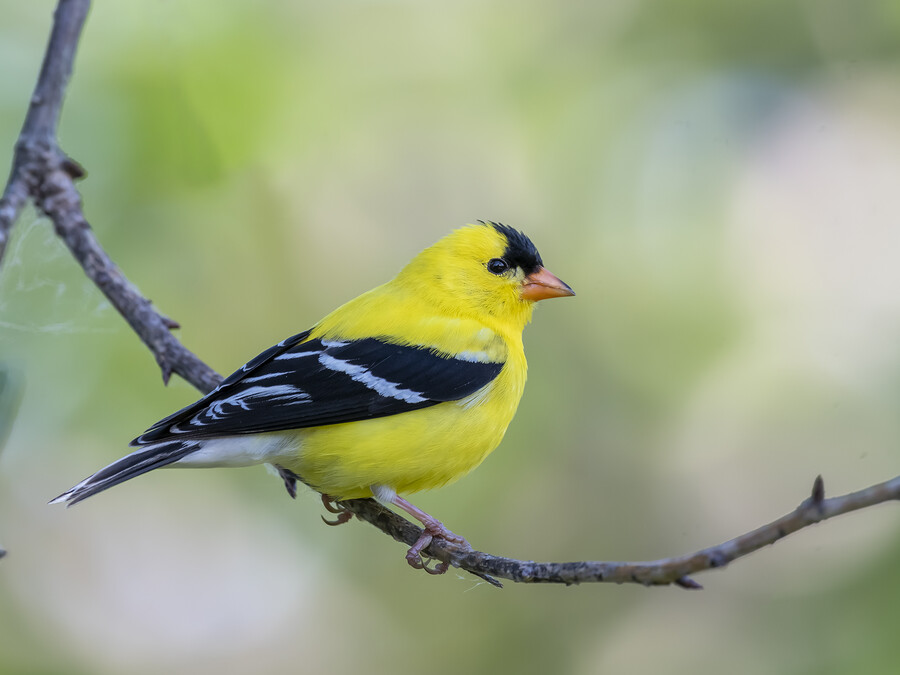
A new study from Penn’s School of Veterinary Medicine suggests that West Nile virus (WNV) has impacted one in five Pennsylvania bird species, demonstrating how decades of community science data and mosquito surveillance can uncover the long-term ecological effects of wildlife disease.
Image: Fernando Burgalin Sequeira / 500px via Getty Images
The study, published in Biological Conservation, combined more than two decades of mosquito surveillance with bird population data. It provides one of the clearest pictures to date of how West Nile virus has shaped bird populations across Pennsylvania since the virus arrived in North America in 1999.
“By combining large-scale mosquito surveillance with community science data, we were able to separate the impacts of West Nile virus from other factors such as habitat and climate, allowing us to identify the species experiencing long-term effects,” says Brock Geary, a quantitative disease ecologist with Penn Vet’s Wildlife Futures Program and lead author of the study.
To conduct the study, Geary collaborated with research institutions, government agencies, and bird conservation organizations to assemble extensive datasets spanning nearly two decades. The research incorporated WNV testing results from more than 9 million mosquitoes along with bird abundance and population trend data through the Breeding Bird Survey, a long-running community science program.
The study reinforces previous findings about where WNV is most likely to occur. Researchers have found that warmer, lower-elevation landscapes with less forest cover consistently produced more WNV-positive mosquitoes.
“This study provides an important foundation for future research,” Geary says. “By identifying which species appear most affected by West Nile virus, we can begin asking why some birds are more vulnerable than others and ultimately improve wildlife conservation and disease management strategies.”
This story is by Brooke Ezzo. Read more at Penn Vet News.
On the move: Water quality and antimicrobial resistance testing goes mobile
Penn researchers have developed a mobile field laboratory allowing them to test water quality and track antimicrobial resistance in and around San Cristóbal in the Galápagos.
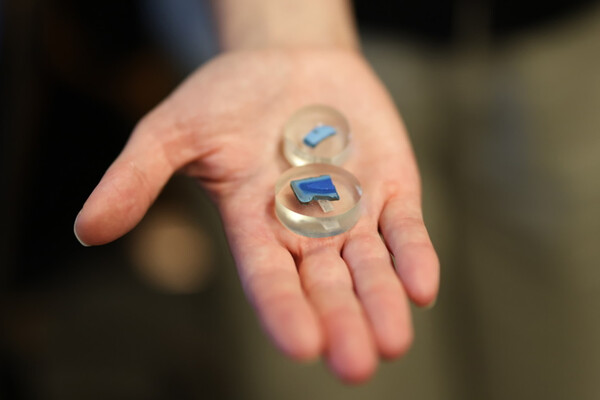
Penn researchers Vanessa and Alexis North are studying one of the largest collections of Egyptian blue objects ever found in the ancient Near East, shedding new light on how the world’s first synthetic pigment may have traveled far beyond Egypt.
A new role for dental providers? Rethinking where vaccines are given
Vaccinations have traditionally been administered in primary care settings or pharmacies. However, for about a decade, some states have authorized dentists to administer vaccines, and many others did so during the COVID-19 pandemic. The effectiveness of this approach has led some countries and states to expand or consider expanding the role of dental providers in delivering routine vaccines, including those against COVID-19 and the human papillomavirus (HPV), and in providing vaccine education.
Penn student develops a way for computer chips to run more efficiently
Fluid Silicon, a platform from President’s Sustainability Prize winner Nhlanhla Mavuso, allows computer chips to continuously monitor their health and self-tune as their characteristics change. The technology has the potential to reduce energy usage in data centers and improve reliability in mission-critical applications.