Bioengineering a ‘natural connection’ for rotator cuff repair
Researchers at Penn Medicine have developed a new fix that imitates the body’s natural environment and could lead to more durable rotator cuff repairs.
2 min. read
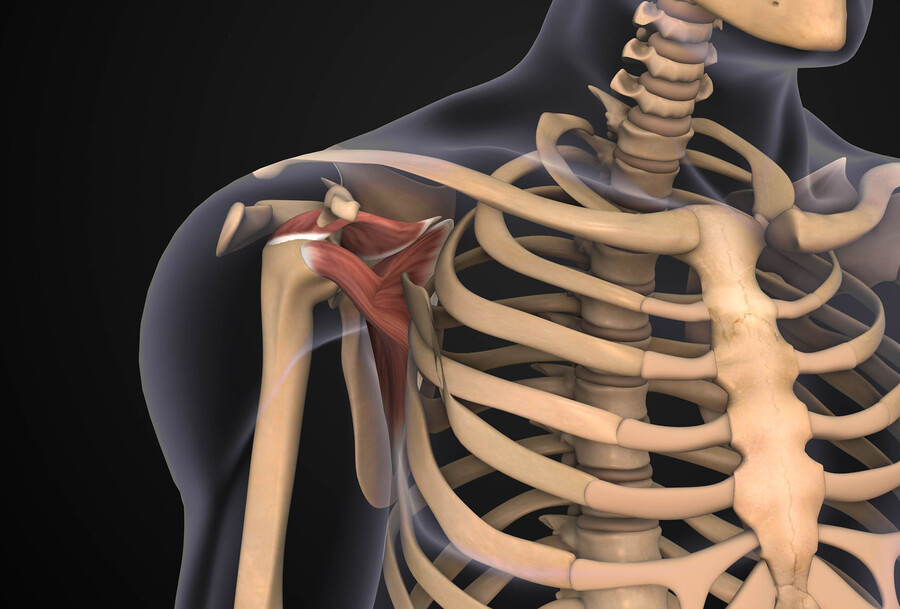
A team of researchers at the Perelman School of Medicinehave developed a “scaffold” that mimics natural tissue and could lead to more durable rotator cuff repairs, including for large injuries and cases involving bone and tissue degeneration that are often the most difficult to fix. The new system is detailed in Science Advances.
“Successful rotator cuff repair requires more than just simply reattaching tendon to bone because the tendon-to-bone interface has a highly organized transition from tendon to fibrocartilage to bone, and each region provides distinct signals that guide how cells behave and what type of tissue they form,” says senior author Su Chin Heo, an assistant professor of orthopaedic surgery and bioengineering in the McKay Orthopaedic Research Laboratory. “The body’s cells constantly sense and respond to the physical, mechanical, and biomechanical signals in their surrounding environment. By designing our scaffold to better mimic these different microenvironments, we believe we’re able to provide the right cues in the right places for more complete and effective healing.”
The rotator cuff is a joint where the arm meets the shoulder and features a variety of muscles with tendons keeping everything both moving and in place. Average rotator cuff repair is conducted via minimally-invasive arthroscopic procedures, ending with the reattachment of damaged tendons via “suture anchors” (a system that uses anchoring screws and thread) in the arm bone. However, many of these repairs fail to heal properly, in part because they do not recreate the natural transition from tendon to cartilage-like tissue to bone that helps guide healing.
Heo and his team set out to design a repair system that does more than simply hold tendon and bone together—one that more closely recreates the different tissue environments found naturally to help promote healing.
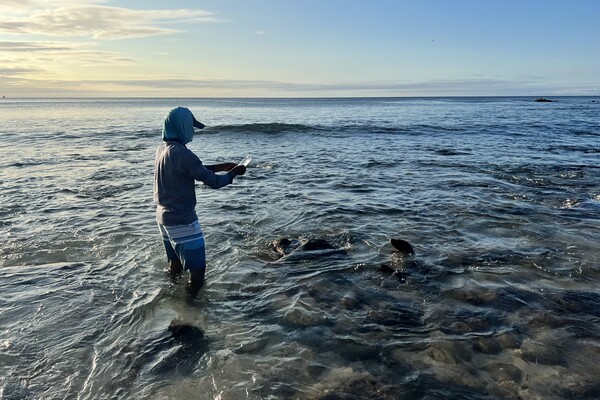
On the move: Water quality and antimicrobial resistance testing goes mobile
Penn researchers have developed a mobile field laboratory allowing them to test water quality and track antimicrobial resistance in and around San Cristóbal in the Galápagos.
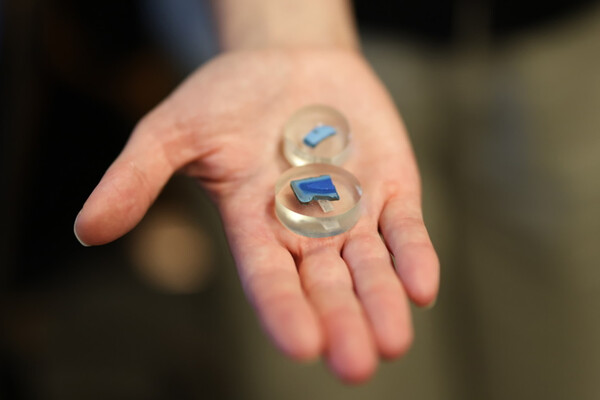
Penn researchers Vanessa and Alexis North are studying one of the largest collections of Egyptian blue objects ever found in the ancient Near East, shedding new light on how the world’s first synthetic pigment may have traveled far beyond Egypt.
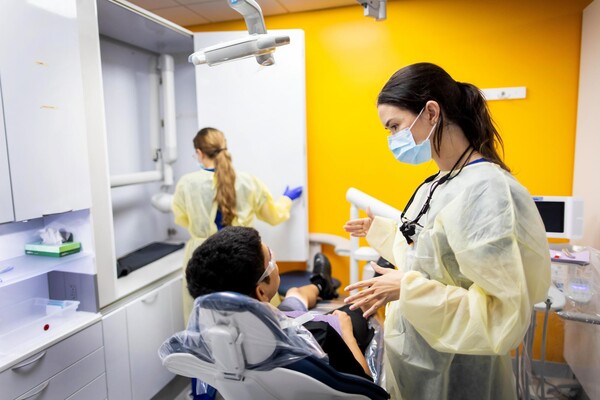
A new role for dental providers? Rethinking where vaccines are given
Vaccinations have traditionally been administered in primary care settings or pharmacies. However, for about a decade, some states have authorized dentists to administer vaccines, and many others did so during the COVID-19 pandemic. The effectiveness of this approach has led some countries and states to expand or consider expanding the role of dental providers in delivering routine vaccines, including those against COVID-19 and the human papillomavirus (HPV), and in providing vaccine education.
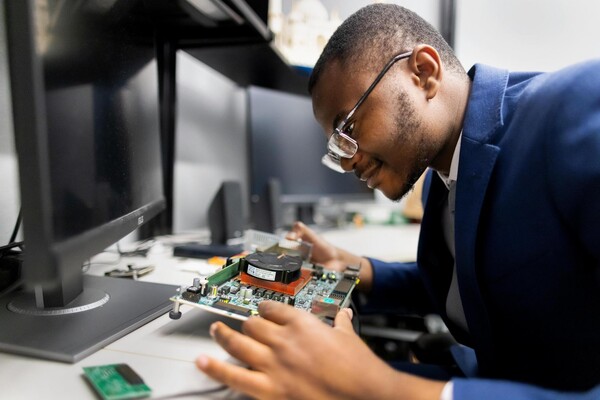
Penn student develops a way for computer chips to run more efficiently
Fluid Silicon, a platform from President’s Sustainability Prize winner Nhlanhla Mavuso, allows computer chips to continuously monitor their health and self-tune as their characteristics change. The technology has the potential to reduce energy usage in data centers and improve reliability in mission-critical applications.