Meniscus injuries may soon be treated by customizable hydrogel
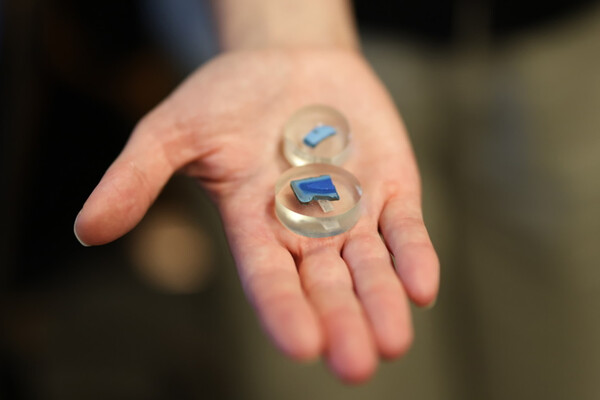
Researchers at the Perelman School of Medicine found a new 3D-printed customizable hydrogel performed well in preclinical trials with several different types of meniscal tears, offering a potential mend for common joint injuries.
1 min. read
Meniscus tears are common knee injuries that have long frustrated patients and doctors due to limited repair options. A new 3D-printed hydrogel made from cow meniscus could transform how these injuries heal, according to results of a preclinical study published in Bioactive Materials from researchers in the Perelman School of Medicine
The meniscus is a complex structure that serves as a critical shock absorber in the knee and one-size-fits-all treatments aren’t always effective. Through creating a treatment adaptable to the different needs of patients, the researchers believe they may have unlocked a better fix no matter where the injury occurs in a meniscus.
“We developed a hydrogel that can be adjusted based on the patient’s age and the stiffness requirements of the injured tissue, which is important because the meniscus has different biochemical and biomechanical properties that vary depending upon the location in the tissue,” says the study’s senior author, Su Chin Heo, an assistant professor of orthopaedic surgery and bioengineering in the McKay Orthopaedic Research Lab at Penn. “Current treatments, including graft-base methods, do not fully recreate these complex differences, leading to poor healing.”
Hydrogels are flexible, water-absorbing materials commonly found in everyday products like contact lenses and baby diapers. The researchers developed a specialized hydrogel by first extracting proteins from donor cow meniscus tissue. Those proteins then directed new cells to become the right types of repair cells for the damaged meniscus and were used as the basis for the treatment’s structures.
On the move: Water quality and antimicrobial resistance testing goes mobile
Penn researchers have developed a mobile field laboratory allowing them to test water quality and track antimicrobial resistance in and around San Cristóbal in the Galápagos.
Penn researchers Vanessa and Alexis North are studying one of the largest collections of Egyptian blue objects ever found in the ancient Near East, shedding new light on how the world’s first synthetic pigment may have traveled far beyond Egypt.
A new role for dental providers? Rethinking where vaccines are given
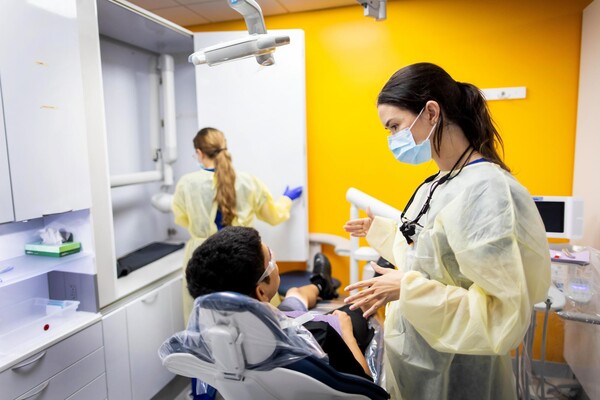
Vaccinations have traditionally been administered in primary care settings or pharmacies. However, for about a decade, some states have authorized dentists to administer vaccines, and many others did so during the COVID-19 pandemic. The effectiveness of this approach has led some countries and states to expand or consider expanding the role of dental providers in delivering routine vaccines, including those against COVID-19 and the human papillomavirus (HPV), and in providing vaccine education.
Penn student develops a way for computer chips to run more efficiently
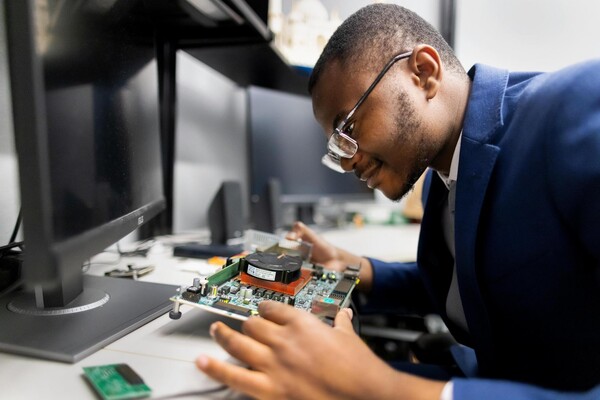
Fluid Silicon, a platform from President’s Sustainability Prize winner Nhlanhla Mavuso, allows computer chips to continuously monitor their health and self-tune as their characteristics change. The technology has the potential to reduce energy usage in data centers and improve reliability in mission-critical applications.