Justin Parent on unlocking the science of resilience in kids
Penn GSE associate professor Justin Parent investigates how childhood adversity becomes biologically embedded, with the goal of identifying opportunities to intervene early and help children thrive.
2 min. read
Rather than asking why depression and other challenges are passed from one generation to the next, Justin Parent is more interested in a different question: Where can we intervene to change the trajectory? Parent and his team at the Graduate School of Education’s KiDS Lab study how parenting, sleep, stress, and other early experiences become biologically embedded—and how those insights can help researchers design interventions that build resilience and improve children’s long-term health.
Parent discusses how research on epigenetics is revealing new opportunities to support children and families. “I’ve spent my career trying to understand the family and biological mechanisms that perpetuate adversity, so we can instead identify opportunities to promote resilience and lifelong health,” he says.
“Epigenetics refers to how the environment, positive or negative, leaves its fingerprint on our genes, influencing how they function,” Parent explains. “When children experience chronic stress and adversity, it can contribute to biological changes —including accelerated cellular aging—that are linked to future health problems such as developmental delay, depression, and cardiovascular disease.”
“In our lab, we’ve shown that enhancing positive parenting can actually disrupt the link between adversity and accelerated biological aging in kids with developmental delay,” he says. “In a randomized trial, we found that a positive parenting program slowed the pace of accelerated cellular aging and reduced epigenetic inflammation and metabolic risk. So epigenetics isn’t just a story about risk or damage; it’s a story about a dynamic biological system you can intervene on.”
On the move: Water quality and antimicrobial resistance testing goes mobile
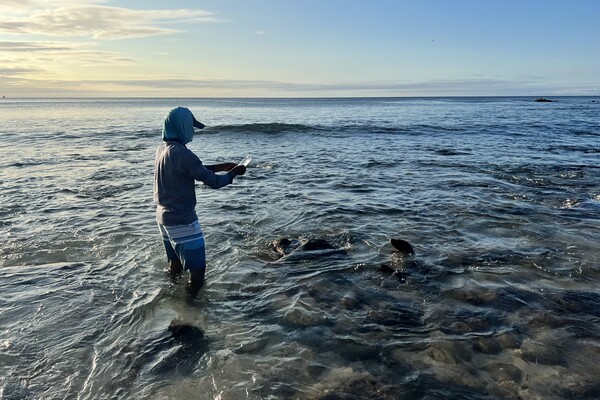
Penn researchers have developed a mobile field laboratory allowing them to test water quality and track antimicrobial resistance in and around San Cristóbal in the Galápagos.
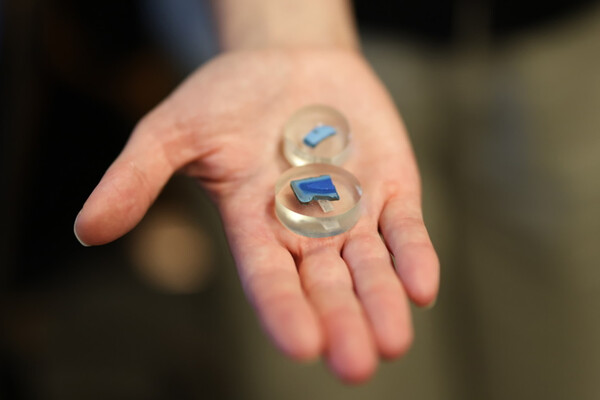
Penn researchers Vanessa and Alexis North are studying one of the largest collections of Egyptian blue objects ever found in the ancient Near East, shedding new light on how the world’s first synthetic pigment may have traveled far beyond Egypt.
A new role for dental providers? Rethinking where vaccines are given
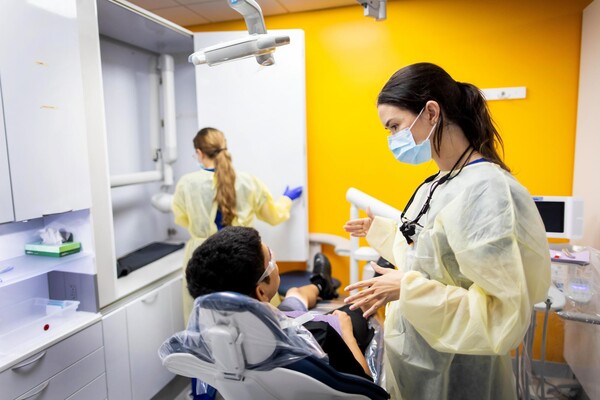
Vaccinations have traditionally been administered in primary care settings or pharmacies. However, for about a decade, some states have authorized dentists to administer vaccines, and many others did so during the COVID-19 pandemic. The effectiveness of this approach has led some countries and states to expand or consider expanding the role of dental providers in delivering routine vaccines, including those against COVID-19 and the human papillomavirus (HPV), and in providing vaccine education.
Penn student develops a way for computer chips to run more efficiently
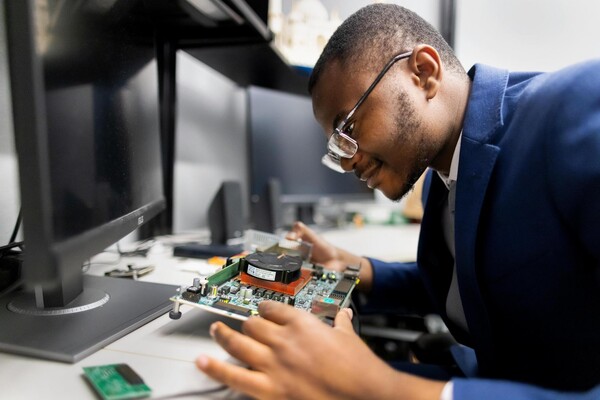
Fluid Silicon, a platform from President’s Sustainability Prize winner Nhlanhla Mavuso, allows computer chips to continuously monitor their health and self-tune as their characteristics change. The technology has the potential to reduce energy usage in data centers and improve reliability in mission-critical applications.