In Elly Truitt’s Medicine, Magic, and Miracles class, rare manuscripts provide an window into the intriguing—and sometimes strange—evolution of medieval medicine.
2 min. read
A monk’s testimony on an amulet to repel disease and demonic temptations. Astronomical and astrological tables that can help decipher human activities and how the moon and planets affect them. Notes on the medical applications of alchemy.
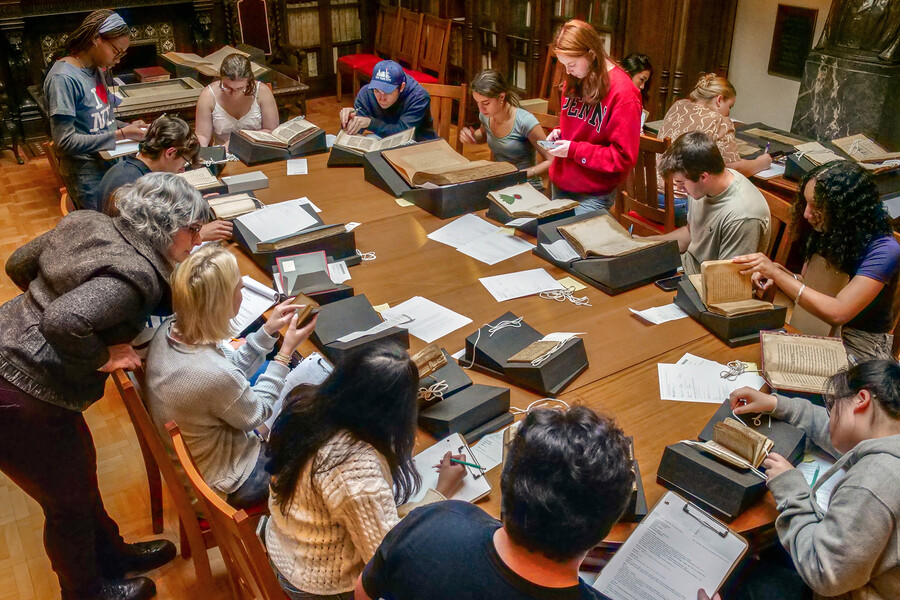
Elly Truitt (left, standing) says she hopes the students can use these historical examples to make sense of their own experiences.
These are not average college textbooks, but for Elly Truitt, associate professor of history & sociology of science in Penn’s School of Arts & Sciences, they are priceless primary sources that students had the opportunity to examine on a recent trip to Lea Library in Van Pelt. The rare manuscripts provide an invaluable window into the intriguing—and sometimes strange—evolution of medicine.
Truitt’s course, Medicine, Magic, and Miracles, focuses on the medieval period, incorporating materials from Indonesia to England in a quest to explore a wide range of topics. These include rationalities for healing practices, views of human anatomy, institutions of medicine, and the practitioners who people turned to for medical care—be they midwives, snake handlers, saints, or surgeons. Students investigate these topics through the lenses of intellectual, cultural, and social history, as well as the life sciences.
The course’s curriculum spans myriad periods and regions, from ancient Greece to the Roman Empire to the Islamic world. Students interrogate foundational questions: How were people pursuing their own healthcare and that of their family members? What did the medical marketplace look like?
“Hippocrates, and later Galen in Rome, fleshed out naturalistic ideas about the causes of disease, as opposed to supernatural causes,” says Truitt. “And then that early framework gets digested and added to over time.”
On the move: Water quality and antimicrobial resistance testing goes mobile
Penn researchers have developed a mobile field laboratory allowing them to test water quality and track antimicrobial resistance in and around San Cristóbal in the Galápagos.
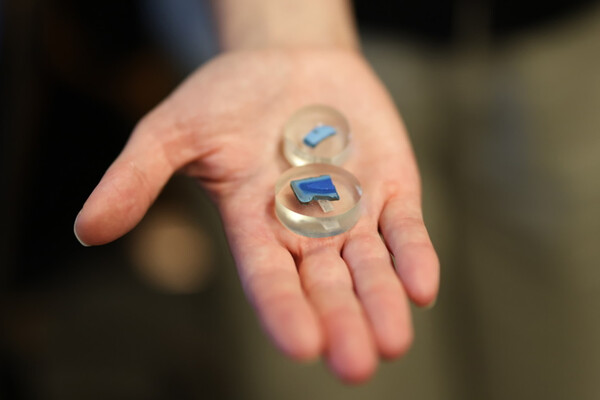
Penn researchers Vanessa and Alexis North are studying one of the largest collections of Egyptian blue objects ever found in the ancient Near East, shedding new light on how the world’s first synthetic pigment may have traveled far beyond Egypt.
A new role for dental providers? Rethinking where vaccines are given
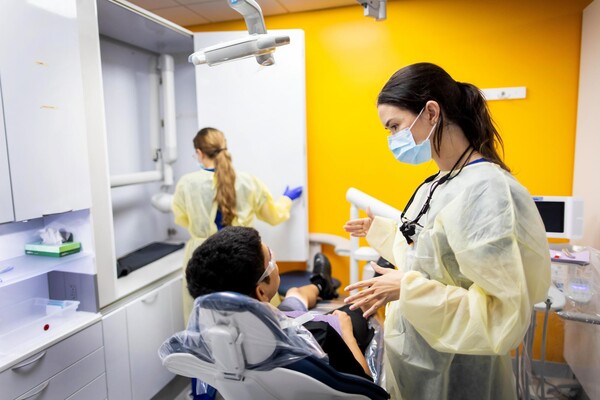
Vaccinations have traditionally been administered in primary care settings or pharmacies. However, for about a decade, some states have authorized dentists to administer vaccines, and many others did so during the COVID-19 pandemic. The effectiveness of this approach has led some countries and states to expand or consider expanding the role of dental providers in delivering routine vaccines, including those against COVID-19 and the human papillomavirus (HPV), and in providing vaccine education.
Penn student develops a way for computer chips to run more efficiently
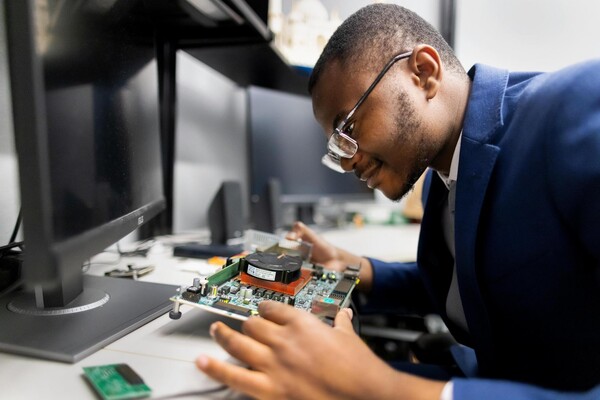
Fluid Silicon, a platform from President’s Sustainability Prize winner Nhlanhla Mavuso, allows computer chips to continuously monitor their health and self-tune as their characteristics change. The technology has the potential to reduce energy usage in data centers and improve reliability in mission-critical applications.